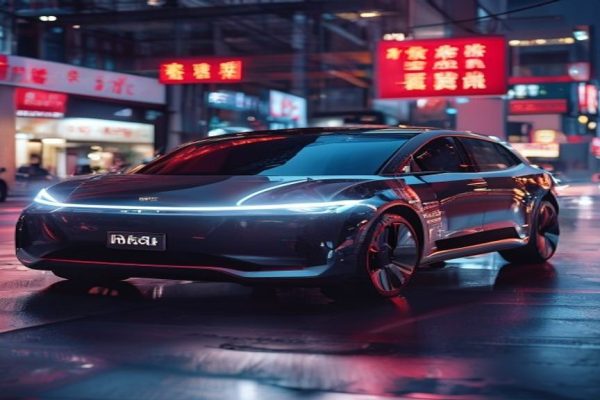
China-Built Autonomous Vehicle Maker Denied US Entry Amid Escalating Tech Tensions
The United States has denied authorization to a Chinese company developing autonomous vehicles, citing a new rule that prohibits vehicles with software from China. The move comes at a time when tech tensions between the US and China are escalating, with both nations imposing stricter regulations on each other’s tech industries.
Background on the New Rule
The new rule, which was implemented in response to growing concerns over national security and intellectual property theft, prohibits the importation of vehicles with software from China. The rule is part of a broader effort by the US government to restrict the flow of Chinese technology into the country.
The rule has significant implications for Chinese tech companies, many of which rely heavily on exports to the US market. The denial of authorization to the Chinese autonomous vehicle maker is seen as a major blow to the company’s plans to enter the US market.
Autonomous Vehicles and National Security
Autonomous vehicles are a rapidly evolving technology, with many countries investing heavily in research and development. However, the technology also raises significant national security concerns, particularly in the context of the US-China rivalry.
Experts argue that autonomous vehicles could potentially be used for military purposes, and that the technology could be vulnerable to cyber attacks. The US government has therefore taken a cautious approach to the development and deployment of autonomous vehicles, with a focus on ensuring national security.
The Chinese government has also been accused of using its tech companies to gather intelligence and engage in intellectual property theft. The US government has therefore taken steps to restrict the flow of Chinese technology into the country, including the implementation of the new rule.
Future Implications of the Decision
The denial of authorization to the Chinese autonomous vehicle maker has significant implications for the future of autonomous vehicles in the US. The decision could potentially set a precedent for other Chinese tech companies seeking to enter the US market.
The US government may also use the decision as a bargaining chip in its ongoing trade negotiations with China. The move could potentially put pressure on China to agree to stricter regulations on its tech industry, including restrictions on the export of sensitive technology.
The decision also has implications for the development of autonomous vehicles globally. The technology is rapidly evolving, and the US-China rivalry is likely to shape the future of the industry.
Key points:
- The US has denied authorization to a Chinese company developing autonomous vehicles, citing a new rule that prohibits vehicles with software from China.
- The rule is part of a broader effort by the US government to restrict the flow of Chinese technology into the country.
- The decision has significant implications for the future of autonomous vehicles in the US and globally.
- The US-China rivalry is likely to shape the future of the autonomous vehicle industry.
The decision is a major blow to the Chinese autonomous vehicle maker, which had been planning to enter the US market. The move is also a significant escalation of the tech tensions between the US and China, with both nations imposing stricter regulations on each other’s tech industries.






Leave a Reply