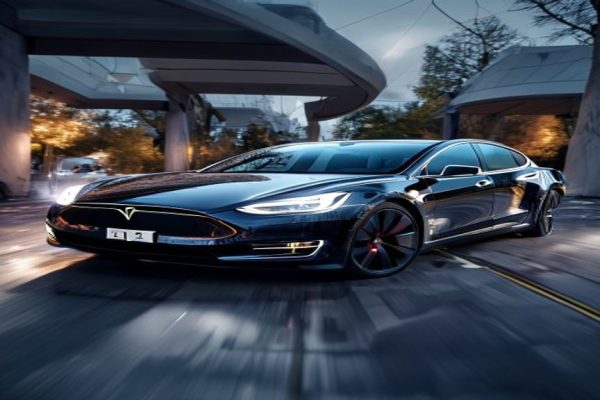
Tesla Model 3 Autopilot System Under Scrutiny After Fatal Crash
A recent fatal car accident has sparked concerns over the reliability and safety of Tesla’s Autopilot system, particularly in the Model 3. The accident, which resulted in the death of the driver, has left many questioning the capabilities of the system and its potential flaws.
Background and Context
The Tesla Model 3 is one of the most popular electric vehicles on the market, known for its advanced Autopilot system, which allows for semi-autonomous driving. The system uses a combination of cameras, radar, and ultrasonic sensors to navigate the road and make decisions in real-time. However, despite its advanced technology, the Autopilot system has been involved in several high-profile accidents in the past, raising concerns over its reliability and safety.
According to reports, the driver of the Tesla Model 3 involved in the fatal crash had the accelerator pressed to 100% at the time of the accident, suggesting that the Autopilot system was engaged. This has led many to question whether the system was functioning properly and whether it played a role in the accident.
Investigations and Reactions
The National Highway Traffic Safety Administration (NHTSA) has launched an investigation into the accident, with Tesla cooperating fully. The company has also released a statement expressing its condolences to the family of the driver and vowing to continue improving the Autopilot system.
The accident has sparked a heated debate over the safety and reliability of Tesla’s Autopilot system. While many have praised the system’s capabilities and potential to reduce accidents, others have raised concerns over its limitations and potential flaws.
Key points to consider:
- The Autopilot system has been involved in several high-profile accidents in the past, raising concerns over its reliability and safety.
- The driver of the Tesla Model 3 involved in the fatal crash had the accelerator pressed to 100% at the time of the accident, suggesting that the Autopilot system was engaged.
- The NHTSA has launched an investigation into the accident, with Tesla cooperating fully.
- The accident has sparked a heated debate over the safety and reliability of Tesla’s Autopilot system.
Future Implications
The fatal crash has significant implications for the development and regulation of autonomous driving technology. As more and more companies invest in the development of autonomous vehicles, the need for reliable and safe systems has never been more pressing.
Regulators will likely be under increased pressure to ensure that companies are taking adequate steps to develop and test their autonomous driving systems. This may include stricter safety standards and more rigorous testing protocols.
In addition, the accident has raised questions over the potential liability of companies involved in the development and sale of autonomous vehicles. As the technology continues to evolve, it is likely that we will see more and more lawsuits related to autonomous vehicle accidents.
Ultimately, the fatal crash serves as a reminder of the importance of prioritizing safety and reliability in the development of autonomous driving technology. As the industry continues to evolve, it is crucial that we learn from mistakes and work towards creating safer and more reliable systems.






Leave a Reply