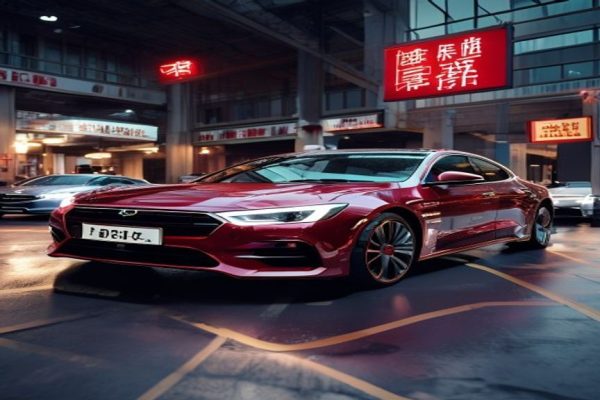
China-Tainted Vehicles Banned: What It Means for Electric Car Makers and the Industry
In a move that has sent shockwaves throughout the automotive industry, the government has denied authorization to vehicles with software from China under a new rule. This development comes as a major blow to electric car makers who have been heavily reliant on Chinese suppliers for their technology.
The Rise of Chinese Electric Vehicle Suppliers
In recent years, Chinese companies have emerged as major players in the electric vehicle (EV) market, providing essential components such as batteries, motor control units, and software. These suppliers have been instrumental in helping EV manufacturers achieve economies of scale, reduce costs, and accelerate their time-to-market.
However, concerns have been growing about the security and reliability of Chinese-made EV software. With the increasing dependence on Chinese suppliers, there have been worries about the potential risks of data breaches, intellectual property theft, and cyber attacks.
The New Rule and Its Implications
The new rule, which was introduced to address these concerns, prohibits vehicles with software from China from obtaining authorization for sale in the market. This move is expected to have far-reaching consequences for electric car makers who have been heavily reliant on Chinese suppliers.
The impact of this rule will be felt across the industry, with manufacturers struggling to find alternative suppliers and meet the new regulations. This could lead to significant delays in production, increased costs, and a potential decline in sales.
Key Points to Consider
- The new rule prohibits vehicles with software from China from obtaining authorization for sale in the market.
- The move is expected to have far-reaching consequences for electric car makers who have been heavily reliant on Chinese suppliers.
- Manufacturers may struggle to find alternative suppliers and meet the new regulations, leading to potential delays in production, increased costs, and a decline in sales.
- The ban on Chinese EV software may lead to a shift towards domestic or European suppliers, increasing costs and potentially reducing the competitiveness of EVs in the market.
- The industry may see a significant increase in investment in R&D to develop alternative software solutions, which could lead to innovation and growth in the long term.
A New Era for Electric Vehicle Manufacturing
The ban on Chinese EV software marks a significant turning point for the electric vehicle industry. While it presents challenges for manufacturers, it also creates opportunities for innovation and growth.
As the industry adapts to the new regulations, we can expect to see a shift towards domestic or European suppliers, increased investment in R&D, and a focus on developing alternative software solutions.
The long-term implications of this move will be closely watched, as the industry navigates the complexities of a new era in electric vehicle manufacturing.
Image Prompt: A futuristic illustration of an electric vehicle factory with a mix of Chinese and European suppliers working together to develop innovative software solutions. The background could feature a cityscape with a mix of traditional and modern architecture, symbolizing the transition towards a more sustainable and secure future for EVs.






Leave a Reply