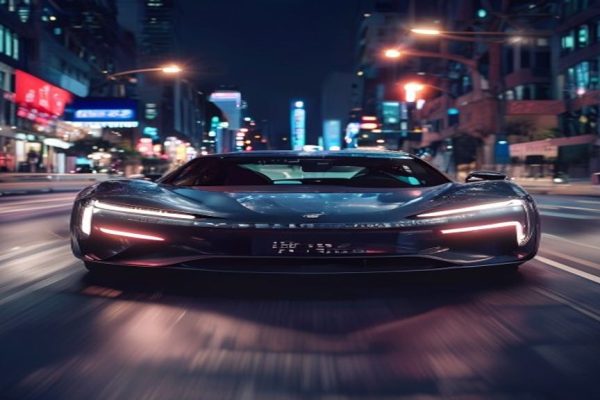
US Tightens Noose on Chinese Tech Firms
The move by the US government to deny authorization to a Chinese self-driving car company is the latest in a string of measures aimed at limiting China’s growing influence in the tech sector. The decision, made under a new rule that bans vehicles with software from China, has sent shockwaves through the industry and raised concerns about the impact on global innovation.
Background on the US-China Tech Standoff
The tensions between the US and China have been simmering for years, with both countries engaging in a high-stakes game of cat and mouse in the tech sector. The US has long been wary of China’s aggressive expansion into key industries such as artificial intelligence, semiconductors, and electric vehicles. In response, the US government has imposed a series of trade restrictions and export controls aimed at limiting China’s access to sensitive technologies.
One of the key areas of contention has been the use of Chinese-made software in critical systems. The US government has been increasingly concerned about the security risks associated with using Chinese-made software, citing concerns about data theft and intellectual property theft. In response, the US has introduced a new rule that bans the use of Chinese-made software in vehicles, effective immediately.
Impact on the Self-Driving Car Industry
The denial of authorization to the Chinese self-driving car company is likely to have a significant impact on the industry as a whole. The company in question had been making rapid strides in the development of autonomous vehicles, and its technology had been considered some of the most advanced in the world. The loss of this player is likely to create a vacuum in the market, giving competitors an opportunity to fill the gap.
However, the move is also likely to raise concerns about the impact on innovation in the sector. The US has long been a leader in the development of autonomous vehicles, and the loss of a key player could potentially slow down progress in this area. Furthermore, the move could also be seen as a blow to the global economy, as it could limit the flow of investment and talent into the sector.
Future Implications
The future implications of this move are far-reaching and complex. On the one hand, the US government is likely to see this as a key step in its efforts to limit China’s influence in the tech sector. On the other hand, the move could also be seen as a blow to global innovation and cooperation in the sector. As the US and China continue to engage in a high-stakes game of cat and mouse, it remains to be seen how this move will play out in the long term.
In the meantime, the tech industry is bracing itself for the impact of this decision. Companies are scrambling to adapt to the new rules, and investors are watching with bated breath as the situation unfolds. One thing is clear, however: the stakes are high, and the consequences of this move will be far-reaching.
**Key Points:**
- The US government has denied authorization to a Chinese self-driving car company under a new rule that bans vehicles with software from China.
- The move is part of a broader effort by the US to limit China’s influence in the tech sector.
- The decision is likely to have a significant impact on the self-driving car industry, creating a vacuum in the market and potentially slowing down progress in this area.
- The move could also be seen as a blow to global innovation and cooperation in the sector.






Leave a Reply