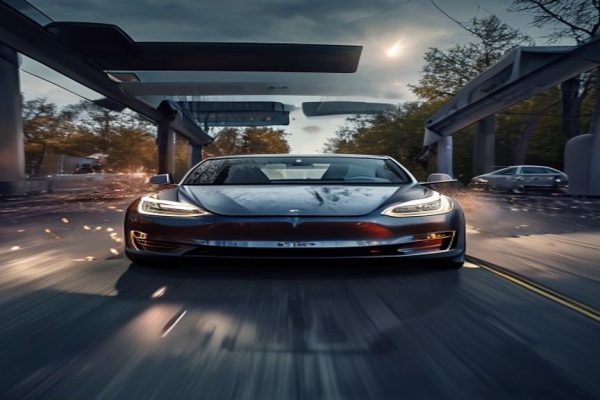
Fatal Accident Raises Concerns Over Tesla’s Autopilot System
A recent fatal crash involving a Tesla Model 3 driver has once again sparked debate over the safety and reliability of the company’s Autopilot system. According to reports, the driver had the accelerator pressed all the way to 100% at the time of the accident, leading many to question whether the Autopilot system was engaged or working properly.
The incident is the latest in a series of accidents involving Tesla vehicles and Autopilot, which has been a cornerstone of the company’s marketing strategy for its electric cars. Autopilot, a semi-autonomous driving system, allows drivers to take their hands off the wheel and eyes off the road for extended periods, but it is not a fully autonomous driving system and requires driver attention at all times.
Background and Context
Tesla has been at the forefront of the autonomous driving revolution, investing heavily in research and development to make its vehicles safer and more convenient for drivers. The company’s Autopilot system uses a combination of cameras, radar, and ultrasonic sensors to detect and respond to the surrounding environment, making it possible for drivers to relax and enjoy the ride.
However, the fatal crash has raised concerns over the safety and reliability of Autopilot, with many experts warning that the system is not yet ready for widespread adoption. Critics argue that Autopilot is flawed and can be easily deceived by complex road scenarios, while others point to the lack of transparency and accountability in Tesla’s development and testing processes.
Future Implications and Regulatory Scrutiny
The fatal crash is likely to attract the attention of regulatory bodies, including the National Highway Traffic Safety Administration (NHTSA) and the Federal Aviation Administration (FAA). These agencies have been scrutinizing Tesla’s Autopilot system for some time, and the recent accident may prompt them to take a closer look at the company’s safety record and testing procedures.
In addition to regulatory scrutiny, the fatal crash may also have implications for Tesla’s business and reputation. The company has been at the forefront of the electric vehicle revolution, but its Autopilot system has been a major selling point for many customers. If the system is found to be flawed or unreliable, it could damage the company’s reputation and erode consumer trust.
In conclusion, the fatal crash involving a Tesla Model 3 driver has raised critical questions over the safety and reliability of the company’s Autopilot system. As the autonomous driving industry continues to evolve, it is essential that companies like Tesla prioritize safety and transparency in their development and testing processes. Anything less could put lives at risk and undermine public trust in the technology.
Key points to note:
- The fatal crash involving a Tesla Model 3 driver has raised concerns over the safety and reliability of the company’s Autopilot system.
- The incident is the latest in a series of accidents involving Tesla vehicles and Autopilot.
- Regulatory bodies, including the NHTSA and FAA, may scrutinize Tesla’s Autopilot system and safety record.
- The fatal crash may have implications for Tesla’s business and reputation.






Leave a Reply