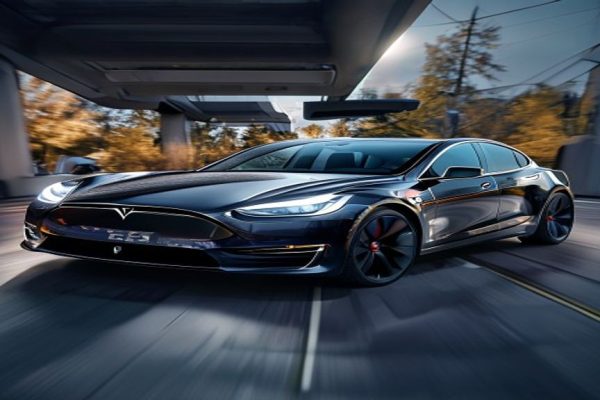
Tesla Model 3 Autopilot System Investigated After Driver’s Fatal Crash
The recent fatal crash involving a Tesla Model 3 has raised concerns about the safety and reliability of the car’s Autopilot system. The incident has sparked an investigation, with authorities and experts examining the circumstances surrounding the crash.
Background on Autopilot Technology
Tesla’s Autopilot system is a semi-autonomous driving technology that enables vehicles to steer, accelerate, and brake automatically. The system uses a combination of cameras, sensors, and software to navigate the road and make decisions in real-time. While Autopilot is designed to improve safety and reduce driver workload, it is not a fully autonomous system and requires driver attention and intervention in certain situations.
Investigation into the Fatal Crash
The investigation into the fatal crash is ongoing, and authorities are working to determine the cause of the accident. According to reports, the driver’s accelerator pedal was pressed to 100% for an extended period, suggesting that the driver may have been relying on the Autopilot system to control the vehicle. However, it is too early to draw conclusions about the role of Autopilot in the crash.
The National Highway Traffic Safety Administration (NHTSA) and the National Transportation Safety Board (NTSB) are leading the investigation, with Tesla cooperating fully. The companies will examine the vehicle’s data, including the Autopilot system’s logs, to determine what happened.
Future Implications and Safety Measures
The investigation into the fatal crash highlights the importance of ensuring that semi-autonomous driving systems like Autopilot are safe and reliable. As more vehicles hit the road with advanced driver-assistance systems (ADAS), regulators and manufacturers must work together to establish clear guidelines and safety standards.
Tesla and other manufacturers have taken steps to improve the safety of their Autopilot systems, including adding features like lane departure warning and adaptive cruise control. However, there is still work to be done to ensure that these systems operate safely and transparently.
Key points to consider:
- The Autopilot system has been involved in several high-profile crashes in recent years.
- The investigation into the fatal crash is ongoing, and authorities are working to determine the cause of the accident.
- Regulators and manufacturers must work together to establish clear guidelines and safety standards for semi-autonomous driving systems.
- Tesla and other manufacturers have taken steps to improve the safety of their Autopilot systems.
As the investigation into the fatal crash continues, it is essential to consider the broader implications for the automotive industry and road safety. The development of semi-autonomous driving systems like Autopilot has the potential to revolutionize transportation, but it must be done with safety and transparency in mind.
Conclusion
The investigation into the fatal crash involving a Tesla Model 3 is a stark reminder of the importance of ensuring that semi-autonomous driving systems are safe and reliable. As the industry continues to develop and deploy these systems, it is crucial to prioritize safety, transparency, and regulatory oversight. The future of transportation depends on it.






Leave a Reply