Tesla Faces Scrutiny Over Autopilot System After Fatal Accident
The recent fatal accident involving a Tesla Model 3 with the Autopilot system engaged has sparked renewed concerns over the safety and reliability of semi-autonomous driving technology. According to reports, the driver had the accelerator pedal pressed all the way to 100% for an extended period, leading to the fatal collision.
Background on Autopilot Technology
Tesla’s Autopilot system is a Level 2 semi-autonomous driving technology that allows drivers to hand over control of the vehicle in certain situations, such as on the highway. The system uses a combination of cameras, radar, and ultrasonic sensors to detect the environment and make adjustments to the vehicle’s speed and trajectory. While Autopilot has received praise for its innovative design and capabilities, it has also been criticized for its limitations and potential safety risks.
Investigation and Implications
- The National Highway Traffic Safety Administration (NHTSA) has launched an investigation into the accident, which will focus on the Autopilot system’s performance and any potential contributing factors.
- Tesla has faced scrutiny over the Autopilot system’s design and implementation, with some critics arguing that the technology is not robust enough to handle complex driving scenarios.
- The accident highlights the need for more stringent regulations and testing protocols for semi-autonomous driving systems, as well as greater transparency from manufacturers about the capabilities and limitations of these technologies.
In response to the accident, Tesla has emphasized the importance of driver attention and responsibility when using Autopilot. The company has also announced plans to update the system to improve its performance and reduce the risk of accidents.
Future of Self-Driving Technology
The fatal accident involving the Tesla Model 3 has cast a shadow over the development of self-driving technology, which has the potential to revolutionize the way we travel. While there are many benefits to semi-autonomous driving, including improved safety and reduced congestion, there are also significant challenges to overcome, including the need for more advanced sensors and AI systems.
As the industry continues to evolve, it is essential that manufacturers prioritize safety and transparency, and that regulators establish clear guidelines and standards for the development and deployment of semi-autonomous driving systems.
Conclusion
The recent accident involving the Tesla Model 3 has highlighted the need for greater caution and transparency in the development and deployment of semi-autonomous driving technology. While there are many benefits to this technology, there are also significant challenges to overcome, and it is essential that manufacturers and regulators work together to ensure that these systems are safe and reliable.
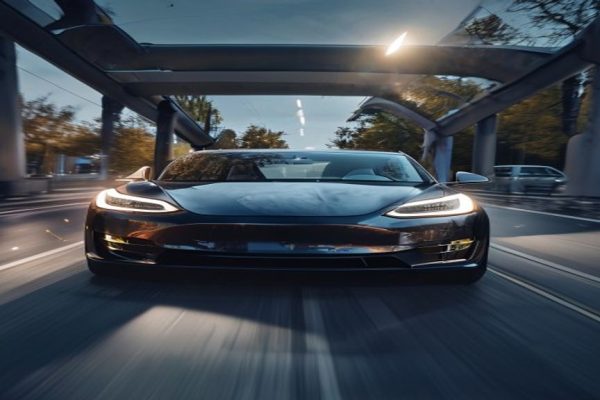
Image prompt: A Tesla Model 3 with the Autopilot system engaged, with a red ‘error’ light flashing on the dashboard, surrounded by a blurred background of the road and other vehicles.






Leave a Reply