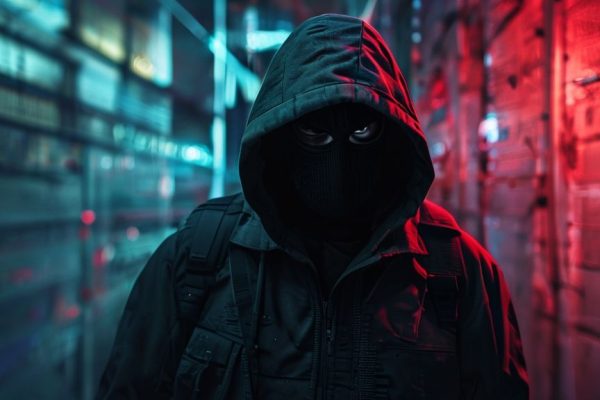
Ransomware Duo’s Heinous Crimes Unveiled
In a disturbing revelation, a pair of cyber attackers has been identified as the masterminds behind a series of high-profile ransomware attacks, leaving a trail of devastation and financial losses in their wake. The duo, allegedly using the ALPHV / BlackCat ransomware, has extorted a staggering $1.2 million in Bitcoin from targeted companies.
The Rise of ALPHV / BlackCat Ransomware
The ALPHV / BlackCat ransomware, a relatively new entrant in the dark web’s malicious arsenal, has quickly gained notoriety for its ruthless tactics and sophisticated encryption methods. This particular strain of malware has been designed to not only encrypt vital data but also to destroy it, rendering recovery virtually impossible. The attackers’ brazenness is evident in their willingness to target multiple companies simultaneously, leaving a trail of chaos and uncertainty in their wake.
The Impact on Affected Companies
The financial implications of these attacks cannot be overstated. The $1.2 million in Bitcoin extorted from targeted companies represents a significant financial blow to these businesses, which will likely take considerable time and resources to recover from. Moreover, the psychological toll on employees and stakeholders should not be underestimated, as the threat of data loss and reputational damage can have long-lasting consequences. The affected companies will need to invest considerable time and resources in rebuilding their systems, restoring data, and reassuring stakeholders.
The Dark Web’s Most Notorious Threats
The rise of ransomware attacks has become a significant concern for governments, businesses, and individuals alike. The ease with which attackers can launch these attacks, combined with the devastating consequences, makes it imperative for authorities to take a proactive approach in preventing and mitigating these threats. Law enforcement agencies must collaborate with cybersecurity experts to identify and apprehend these culprits, while also providing support to affected companies in their recovery efforts.
Key Points to Remember
- The ALPHV / BlackCat ransomware duo has extorted $1.2 million in Bitcoin from targeted companies.
- The ransomware is designed to not only encrypt but also destroy data, rendering recovery impossible.
- The attacks have left a trail of devastation, with affected companies facing significant financial and reputational losses.
- The dark web’s most notorious threats require a concerted effort from authorities and cybersecurity experts to prevent and mitigate.
Preventing Ransomware Attacks
As the threat of ransomware attacks continues to escalate, it is essential for individuals and businesses to take proactive measures in preventing these attacks. This includes:
- Implementing robust cybersecurity measures, such as firewalls and antivirus software.
- Regularly backing up critical data to prevent loss in the event of an attack.
- Providing cybersecurity training to employees to raise awareness and prevent human error.
- Staying informed about the latest threats and vulnerabilities to stay ahead of attackers.
The fight against ransomware attacks requires a collective effort from governments, businesses, and individuals. By working together and staying vigilant, we can mitigate the devastating consequences of these attacks and create a safer online environment for all.
As the dark web’s most notorious threats continue to evolve, it is essential for authorities and cybersecurity experts to stay one step ahead. By collaborating and sharing intelligence, we can identify and apprehend these culprits, bringing them to justice and protecting the vulnerable from their malicious activities.
The story of the ALPHV / BlackCat ransomware duo serves as a stark reminder of the dangers that lurk in the dark web. As we move forward, it is crucial that we prioritize cybersecurity and take proactive measures to prevent these attacks. Only through collective action can we create a safer online environment and protect ourselves from the threats that lurk in the shadows.






Leave a Reply