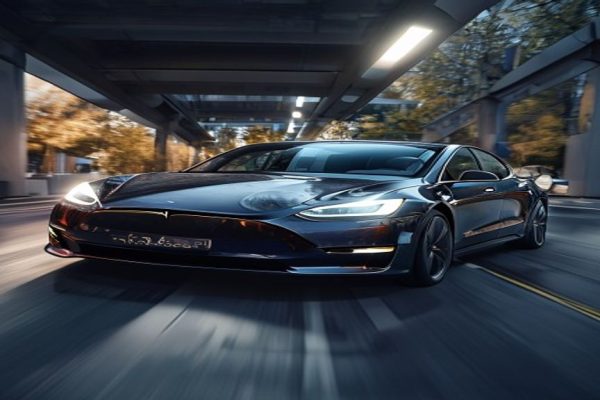
Tesla Model 3 Autopilot Under Scrutiny After Driver’s Fatal Crash
The recent fatal crash involving a Tesla Model 3 has raised serious concerns about the safety and reliability of the vehicle’s Autopilot system. According to reports, the driver had their foot on the accelerator pedal for an extended period, going at 100% capacity, but the details of the incident are still unclear.
Background on Tesla’s Autopilot System
Tesla’s Autopilot system is a complex combination of sensors, cameras, and software designed to enable semi-autonomous driving. The system uses a combination of radar, ultrasonic sensors, and cameras to detect and respond to the environment. However, the system has faced criticism in the past for its limitations and potential for errors.
While Autopilot is not a fully autonomous driving system, it is designed to assist drivers by taking control of steering, acceleration, and braking in certain situations. However, the system is not perfect and has been known to make mistakes, especially in complex or unexpected situations.
Investigation and Consequences
The investigation into the fatal crash is ongoing, and it is unclear what caused the driver to lose control of the vehicle. However, the incident has sparked concerns about the safety of Tesla’s Autopilot system and the potential consequences for the company.
Tesla has faced criticism in the past for its handling of Autopilot-related incidents, and this latest incident is likely to put further pressure on the company to improve the safety and reliability of its Autopilot system.
Regulatory agencies, such as the National Highway Traffic Safety Administration (NHTSA), are likely to take a close look at the incident and the Autopilot system as a whole. The NHTSA has already opened an investigation into the incident, and Tesla will likely face scrutiny over its handling of the incident and its response to safety concerns.
Future Implications
The fatal crash involving the Tesla Model 3 has serious implications for the future of autonomous driving and the electric vehicle market as a whole. If the Autopilot system is found to be at fault, it could have significant consequences for Tesla and the broader industry.
Regulatory agencies may impose stricter safety standards on autonomous driving systems, and consumers may become more cautious in their adoption of autonomous vehicles. The incident could also lead to a re-evaluation of the safety and reliability of other autonomous driving systems on the market.
However, it is also possible that the incident could lead to improvements in the Autopilot system and other autonomous driving systems. Tesla and other companies may be forced to invest more in safety and reliability measures, which could ultimately lead to better and more reliable vehicles.
In conclusion, the fatal crash involving the Tesla Model 3 has raised serious concerns about the safety and reliability of the vehicle’s Autopilot system. The incident has sparked a wider debate about the safety and reliability of autonomous driving systems and the potential consequences for the industry.
As the investigation into the incident continues, it is clear that the safety and reliability of autonomous driving systems will be under intense scrutiny. The incident serves as a reminder of the importance of safety and reliability in the development and deployment of autonomous vehicles.
Key points to consider:
- The fatal crash involving the Tesla Model 3 has raised serious concerns about the safety and reliability of the vehicle’s Autopilot system.
- The incident has sparked a wider debate about the safety and reliability of autonomous driving systems and the potential consequences for the industry.
- Regulatory agencies, such as the NHTSA, are likely to take a close look at the incident and the Autopilot system as a whole.
- The incident could have significant consequences for Tesla and the broader industry, including stricter safety standards and a re-evaluation of the safety and reliability of other autonomous driving systems.






Leave a Reply