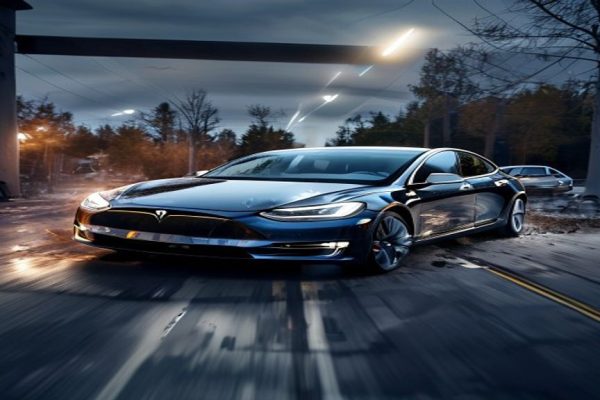
Tragic Incident Raises Concerns Over Autopilot Safety
A recent investigation into a fatal crash involving a Tesla Model 3 has sparked renewed concerns over the safety and reliability of the vehicle’s Autopilot system. According to reports, the driver of the Model 3 had their foot on the accelerator pedal, pressed all the way to 100%, at the time of the incident. This has raised questions about whether the Autopilot system was functioning as intended or if it failed to intervene when necessary.
Background on Autopilot Technology
Tesla’s Autopilot system is a advanced driver-assistance system (ADAS) designed to enhance the driving experience by providing semi-autonomous capabilities. The system uses a combination of cameras, sensors, and software to detect the vehicle’s surroundings and adjust its speed and trajectory accordingly. However, despite its advanced features, Autopilot is not a fully autonomous system and requires driver input and attention at all times.
The Autopilot system has been the subject of controversy in the past, with numerous incidents involving Tesla vehicles crashing while in Autopilot mode. In 2016, a Tesla Model S crashed into a tractor-trailer in Florida, resulting in the death of the driver. The National Highway Traffic Safety Administration (NHTSA) later investigated the incident and concluded that the Autopilot system had failed to recognize the tractor-trailer as a hazard.
Investigation and Its Implications
The recent investigation into the Model 3 crash is ongoing, but initial findings have already raised concerns about the Autopilot system’s performance. If it is determined that the Autopilot system failed to intervene or misinterpreted the driver’s input, it could have significant implications for Tesla and the wider automotive industry. The incident highlights the need for more rigorous testing and validation of ADAS systems, as well as the importance of clear communication with drivers about the limitations and capabilities of these systems.
Regulatory bodies, including the NHTSA, are taking a closer look at the incident and the Autopilot system’s performance. The agency has previously issued guidelines for the development and testing of ADAS systems, but it remains to be seen whether this incident will lead to more stringent regulations or industry-wide standards.
In the meantime, Tesla has faced criticism for its handling of the incident and its response to concerns about the Autopilot system. The company has maintained that Autopilot is a safe and reliable system, but critics argue that it is not transparent enough about its capabilities and limitations.
Key Takeaways and Future Implications
The tragic incident involving the Tesla Model 3 serves as a reminder of the complexities and challenges associated with ADAS systems. As the industry continues to evolve and develop more advanced driver-assistance technologies, it is essential that manufacturers prioritize safety and transparency. Here are some key takeaways from this incident:
- ADAS systems, including Autopilot, are not foolproof and require driver input and attention at all times.
- Regulatory bodies must take a more proactive role in ensuring the safe development and deployment of ADAS systems.
- Tesla and other manufacturers must prioritize transparency and clear communication with drivers about the capabilities and limitations of their ADAS systems.
- The incident highlights the need for more rigorous testing and validation of ADAS systems to prevent similar incidents in the future.
The future of autonomous driving remains a topic of great interest and debate. As the industry continues to push the boundaries of what is possible, it is essential that we prioritize safety and transparency. The incident involving the Tesla Model 3 serves as a sobering reminder of the challenges and complexities associated with ADAS systems and the need for a more comprehensive approach to their development and deployment.
Ultimately, the success of autonomous driving will depend on the ability of manufacturers to balance innovation with safety and transparency. By prioritizing these values, we can create a safer and more reliable driving experience for all.






Leave a Reply