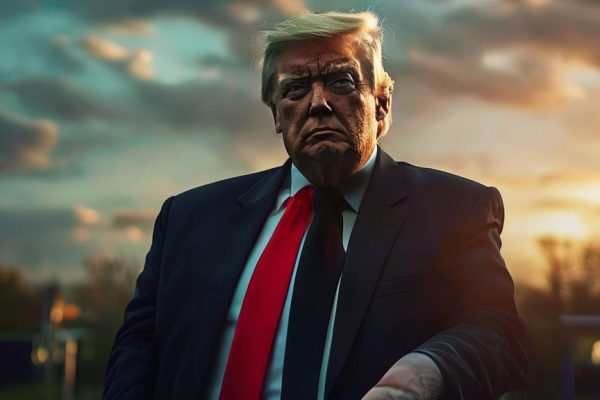
The Rise of a Climate Skeptic: Understanding Trump’s Environmental Policy
The Trump administration’s assault on climate and environmental policy has been a defining feature of the president’s agenda since his first term. This approach has been marked by a rejection of scientific consensus, a rollback of regulations, and a promotion of fossil fuel interests. In this article, we will delve into the complexities of Trump’s environmental policy and explore the implications of this agenda on climate action and global sustainability.
A Climate Skeptic in the White House: The Science Behind Trump’s Policy
The Trump administration’s rejection of climate science is well-documented. Trump himself has expressed skepticism about the existence of human-caused climate change, stating that it is a “hoax” perpetrated by China. His administration has since worked to undermine the credibility of climate science, rolling back regulations and appointing officials who deny the reality of climate change. This approach has sparked widespread criticism from scientists, environmentalists, and world leaders.
The science behind climate change is clear: human activities such as burning fossil fuels and deforestation are releasing massive amounts of greenhouse gases into the atmosphere, leading to rising global temperatures and associated impacts such as sea-level rise, more frequent natural disasters, and altered ecosystems. The consequences of inaction are dire, with the Intergovernmental Panel on Climate Change (IPCC) warning that global temperatures must be limited to 1.5°C above pre-industrial levels to avoid catastrophic climate change.
The Rollback of Regulations: A Threat to Climate Action
One of the key ways in which the Trump administration has undermined climate action is through the rollback of regulations. The Clean Power Plan, a landmark climate policy introduced by the Obama administration, was rolled back by the Trump administration in 2019. The plan aimed to reduce greenhouse gas emissions from power plants by 32% below 2005 levels by 2030. Without this policy, the United States is likely to miss its Paris Agreement targets, exacerbating the climate crisis.
The Trump administration has also rolled back regulations on methane emissions from oil and gas operations, which are a potent greenhouse gas. Methane is 28 times more effective at trapping heat than carbon dioxide over a 100-year time frame, making it a critical target for climate action. The rollback of these regulations has been met with widespread criticism from environmental groups and scientists.
A Global Response: The Consequences of Trump’s Environmental Policy
The Trump administration’s environmental policy has not gone unnoticed on the global stage. World leaders have expressed concern about the United States’ withdrawal from the Paris Agreement, which aimed to limit global warming to well below 2°C above pre-industrial levels. The agreement was ratified by almost 200 countries, making it one of the most widely supported international agreements in history.
The consequences of Trump’s environmental policy are already being felt. The United States has become an outlier in the global effort to address climate change, with many countries stepping up their climate ambitions in the wake of the Trump administration’s inaction. The European Union, for example, has set a target of becoming carbon neutral by 2050, while China has committed to peaking its carbon emissions by 2030.
The implications of Trump’s environmental policy extend beyond the climate crisis. The rollback of regulations has also had a negative impact on public health, with the Trump administration’s efforts to weaken clean air and water standards sparking widespread criticism from environmental groups and public health experts.
A Future Without Climate Action: The Consequences of Inaction
The consequences of inaction on climate change are dire. Rising global temperatures are already having a devastating impact on ecosystems, economies, and human societies. Climate-related disasters such as hurricanes, wildfires, and droughts are becoming more frequent and intense, leading to widespread displacement and economic damage.
The IPCC warns that global temperatures must be limited to 1.5°C above pre-industrial levels to avoid catastrophic climate change. This requires a fundamental transformation of the global economy, with a shift away from fossil fuels and towards renewable energy sources. The consequences of failing to act will be catastrophic, with the IPCC warning of catastrophic climate change, including:
- Rising sea levels, leading to coastal flooding and saltwater intrusion into freshwater sources
- More frequent and intense natural disasters, such as hurricanes, wildfires, and droughts
- Altered ecosystems, leading to the loss of biodiversity and ecosystem services
- Negative impacts on human health, including increased mortality and morbidity from heat stress, air pollution, and water-borne diseases
The Trump administration’s environmental policy has been a major obstacle to climate action. The rollback of regulations, the rejection of climate science, and the promotion of fossil fuel interests have all contributed to a lack of progress on climate change. As the world grapples with the consequences of inaction, it is clear that the Trump administration’s environmental policy has been a major threat to global sustainability.
A Call to Action: The Future of Climate Action
The future of climate action is uncertain, but one thing is clear: the clock is ticking. The IPCC warns that global temperatures must be limited to 1.5°C above pre-industrial levels to avoid catastrophic climate change. This requires a fundamental transformation of the global economy, with a shift away from fossil fuels and towards renewable energy sources.
The United States has a critical role to play in this effort. The country must rejoin the Paris Agreement, strengthen its climate policies, and invest in renewable energy. The world is watching, and the consequences of inaction will be catastrophic. The future of climate action is uncertain, but one thing is clear: the next few years will be crucial in determining the course of human history.






Leave a Reply