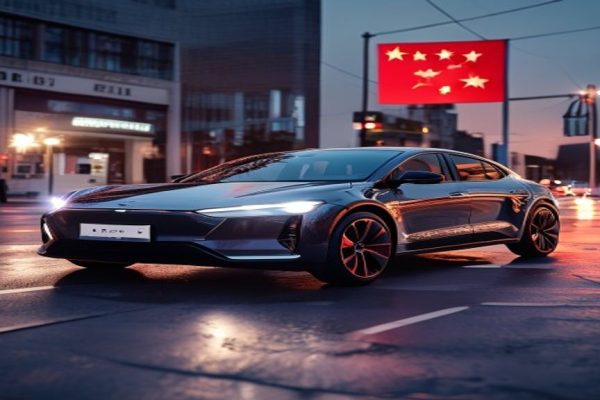
US-China Trade Tensions Escalate as Electric Vehicle Startup Denied Authorization
The ongoing trade tensions between the United States and China have taken a new turn, with the US government denying authorization to an electric vehicle (EV) startup due to a new rule that bans vehicles with software from China. The decision has sparked widespread concerns among industry experts and investors, who fear that it may have far-reaching implications for the EV market.
Background and Context
The new rule, which was announced by the US Department of Transportation in April, aims to boost domestic competition in the EV market by prohibiting the use of software from China. The rule requires all EV manufacturers to use software that is designed and developed in the US, with some exceptions for vehicles that are imported from China before the rule comes into effect.
The electric vehicle startup in question, which has not been named due to confidentiality reasons, had planned to launch its new EV model in the US market later this year. The company had invested heavily in the development of its software, which was designed and developed in China. However, with the new rule in place, the company’s plans have been put on hold indefinitely.
Reasons Behind the Decision
The US government has cited national security concerns as the primary reason behind the decision to deny authorization to the EV startup. The government believes that allowing vehicles with software from China to operate in the US market may pose a risk to national security, particularly in the event of a cyber attack.
Industry experts, however, have questioned the legitimacy of the government’s concerns, arguing that the risk of a cyber attack is minimal and that the rule may be more aimed at restricting Chinese companies’ access to the US market.
Future Implications
The decision to deny authorization to the EV startup has sparked concerns among industry experts and investors, who fear that it may have far-reaching implications for the EV market. The rule may lead to a shortage of EVs in the US market, particularly in the short term, as manufacturers struggle to adapt to the new regulations.
Furthermore, the rule may also lead to a loss of jobs and investment in the EV industry, particularly in areas where Chinese companies have a significant presence. The long-term implications of the decision are still unclear, but one thing is certain: the US-China trade tensions are likely to continue to escalate in the coming months.
The electric vehicle industry is a rapidly growing sector, with many companies investing heavily in the development of new EV models. The decision to deny authorization to the EV startup may be a setback for the industry, but it is unlikely to be the last word on the matter.
As the US-China trade tensions continue to escalate, it is clear that the electric vehicle industry is caught in the crossfire. The future of the industry remains uncertain, but one thing is clear: the stakes are high, and the consequences of failure will be severe.
Key Points
- The US government has denied authorization to an electric vehicle startup due to a new rule that bans vehicles with software from China.
- The rule aims to boost domestic competition in the EV market by prohibiting the use of software from China.
- Industry experts have questioned the legitimacy of the government’s concerns, arguing that the risk of a cyber attack is minimal.
- The decision may lead to a shortage of EVs in the US market and a loss of jobs and investment in the EV industry.
- The future implications of the decision are still unclear, but the US-China trade tensions are likely to continue to escalate in the coming months.






Leave a Reply