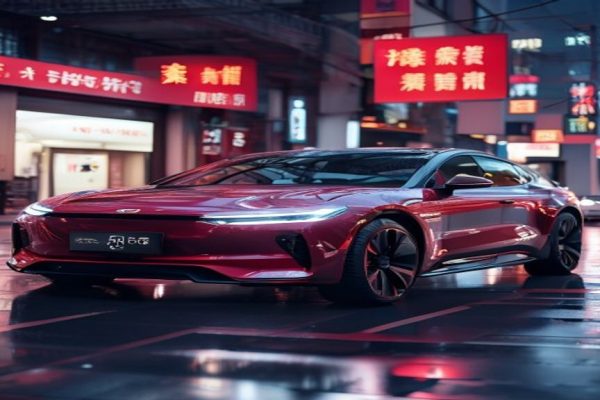
China-Based Electric Vehicle Maker Hit by New US Regulation
A significant development in the United States has sparked renewed tensions between the country and China. A leading electric vehicle (EV) manufacturer based in China has been denied authorization under a newly introduced rule that prohibits vehicles with software from Chinese companies from entering the US market. This move is set to have far-reaching implications for the global EV industry.
Background and Context
The US has been tightening its regulations regarding the usage of Chinese technology in various sectors. This latest rule is part of a broader effort to increase scrutiny over Chinese companies’ role in the US market. The move aims to mitigate the perceived risks associated with Chinese-made software and hardware, particularly in the context of national security.
China has been a significant player in the global EV market, with several major manufacturers, including BYD and Geely, already established in the US. However, the new rule is expected to impact the operations of Chinese EV companies, potentially limiting their growth and market share in the US.
Reasons Behind the New Rule
The reasons behind the introduction of this new rule are multifaceted. One primary concern is the potential for Chinese-made software to pose a threat to US national security. As the US increasingly relies on electric vehicles, the risk of compromising sensitive information or compromising critical infrastructure becomes more pronounced.
Another factor is the US government’s desire to promote the development and use of domestic technology. By restricting Chinese companies’ access to the US market, the government aims to create opportunities for American firms to grow and innovate.
The new rule also reflects broader concerns about the role of Chinese companies in the global supply chain. As the US seeks to reduce its dependence on foreign technology, it is placing stricter controls on Chinese companies’ involvement in critical sectors.
Future Implications and Impact
The impact of this new rule on the global EV industry will be significant. Chinese EV companies will need to adapt to the changing regulatory landscape, potentially investing in domestic production and research and development (R&D) to meet the new requirements.
US-based EV manufacturers, on the other hand, may benefit from the reduced competition. However, the long-term implications of this rule remain uncertain, as it could lead to higher production costs and reduced innovation in the industry.
The new rule also raises questions about the potential for a trade war between the US and China. As tensions escalate, the global EV market may face increased uncertainty, potentially hindering growth and investment in the sector.
In conclusion, the denial of authorization to a China-based electric vehicle maker under the new US rule marks a significant shift in the global EV industry. As the US tightens its regulations on Chinese technology, the future implications for Chinese EV companies and the global market remain uncertain.
Key Points to Consider
- The US has introduced a new rule banning vehicles with software from Chinese companies from entering the US market.
- The move is part of a broader effort to increase scrutiny over Chinese companies’ role in the US market.
- The new rule aims to mitigate the perceived risks associated with Chinese-made software and hardware, particularly in the context of national security.
- Chinese EV companies will need to adapt to the changing regulatory landscape, potentially investing in domestic production and R&D to meet the new requirements.
- The impact of this new rule on the global EV industry will be significant, potentially leading to reduced competition and higher production costs.
Image prompt: A rendering of a Chinese electric vehicle manufacturer’s factory in the US, with a red ‘X’ marked over it, indicating the new rule’s impact on Chinese companies.






Leave a Reply