A New Era in Transfer Fees
The summer of 2009 will be etched in the memories of football fans for generations to come. On June 12, 2009, Cristiano Ronaldo made a world-record-breaking £80m move from Manchester United to Real Madrid, shattering the previous transfer fee record set by Zinedine Zidane’s £46m move to Juventus in 2001. This monumental transfer not only redefined the football landscape but also changed the way clubs approached player recruitment.
The Rise of Transfer Fees
Transfer fees have been on the rise since the late 1990s, driven by the increasing revenue generated by television rights, sponsorship deals, and matchday revenue. As football clubs became more financially stable, they began to invest heavily in acquiring top talent. The rise of the Champions League and the increasing popularity of football in emerging markets further fueled the growth of transfer fees.
- The top 5 transfer fees in 2009 were:
- Ronaldo (£80m) – Manchester United to Real Madrid
- Kaká (£56m) – AC Milan to Real Madrid
- Andriy Shevchenko (£30.8m) – AC Milan to Chelsea
- Wayne Rooney (£27m) – Everton to Manchester United
- Luís Figo (£24m) – Barcelona to Real Madrid
The Impact of Ronaldo’s Move
Ronaldo’s world-record transfer to Real Madrid set a new benchmark for transfer fees, making it increasingly difficult for smaller clubs to compete with the financial might of the top clubs. This led to a shift in the balance of power in European football, with the top clubs dominating the transfer market and the smaller clubs struggling to keep up.
The rise of the ‘Galactico’ era at Real Madrid, which began with the signings of Luís Figo and Zinedine Zidane, was cemented with the arrival of Ronaldo. The Portuguese forward’s incredible talent, work rate, and dedication to the cause made him a key player in Real Madrid’s success, winning two La Liga titles and the Copa del Rey.
However, the impact of Ronaldo’s move went beyond the pitch. It marked a turning point in the relationship between football clubs and their fans, with the increasing financial power of the top clubs creating a sense of disconnect between the clubs and their supporters.
The Ronaldo transfer also led to a change in the way football clubs approach player recruitment. With the increasing financial burden of transfer fees, clubs began to look for alternative ways to acquire top talent, such as investing in youth development programs and scouting networks.
The Future of Transfer Fees
The future of transfer fees remains uncertain, with the increasing financial burden of the top clubs and the growing concerns over player welfare and the impact of transfer fees on smaller clubs. The UEFA Financial Fair Play regulations, introduced in 2009, aimed to regulate the financial activities of football clubs and prevent them from accumulating excessive debt.
However, the regulations were criticized for being too lenient, allowing clubs to continue spending heavily on transfers while still meeting the financial fair play requirements. The COVID-19 pandemic has further exacerbated the financial challenges faced by football clubs, leading to a decrease in revenue and an increase in debt.
As the football landscape continues to evolve, it remains to be seen how transfer fees will be affected. Will the top clubs continue to dominate the transfer market, or will smaller clubs find ways to compete? Only time will tell, but one thing is certain – the transfer market will continue to be a key driver of change in the world of football.
In conclusion, Ronaldo’s world-record transfer to Real Madrid marked a significant turning point in the history of football. It redefined the transfer market, changed the way clubs approach player recruitment, and had a profound impact on the relationship between clubs and their fans. As we look to the future, it is clear that the transfer market will continue to be a key driver of change in the world of football.
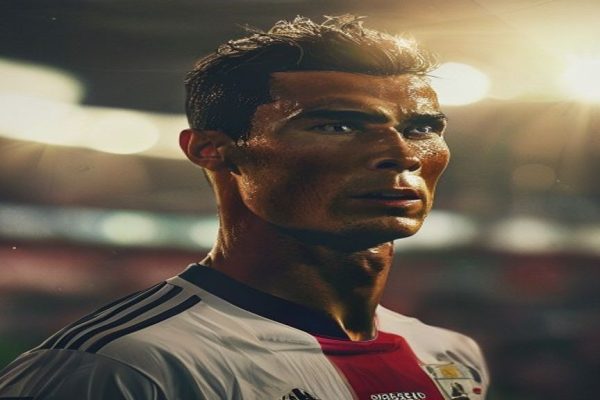
Image Prompt: A photograph of Cristiano Ronaldo in action for Real Madrid, with the Santiago Bernabéu stadium in the background. The image should capture the intensity and drama of the game, with Ronaldo’s movement and pose conveying his incredible talent and dedication to the cause.






Leave a Reply