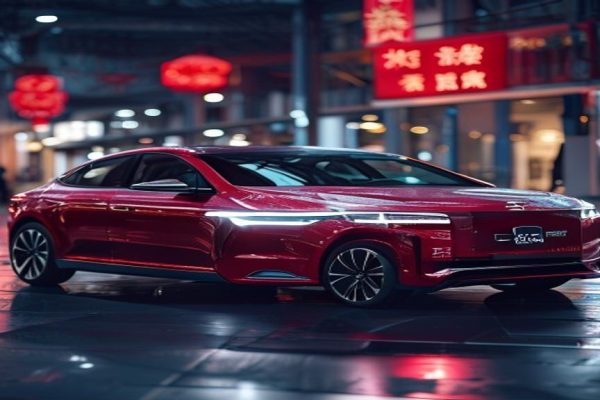
China-Based Electric Vehicle Maker Denied US Entry Amidst Software Export Restrictions
The US Department of Transportation has denied authorization to a Chinese electric vehicle (EV) manufacturer, citing concerns over the company’s software export restrictions. This decision has sparked a heated debate about the implications of the new rule on the EV industry and the country’s stance on trade with China.
The new rule, which was announced in June, bans vehicles with software from China from entering the US market. The rule is part of a broader effort by the US government to promote domestic innovation and protect national security interests. However, the decision to deny authorization to the Chinese EV manufacturer has been met with criticism from industry experts, who argue that it could harm the company’s ability to compete in the US market.
The Background: China’s Rise as an EV Powerhouse
China has emerged as a leading player in the global electric vehicle market, with many Chinese companies investing heavily in EV technology. However, the US government has long been wary of China’s growing influence in the tech sector, citing concerns over intellectual property theft and national security risks. The new rule is seen as a key step in the US government’s efforts to restrict China’s access to the US market and promote domestic innovation.
The Chinese EV manufacturer, which has not been named publicly, had been seeking authorization to enter the US market for several years. The company had invested heavily in research and development, and had established partnerships with several US-based companies to develop its EV technology. However, the company’s software, which was developed in China, was deemed to be a security risk by US regulators.
The Implications: A New Era of Trade Tensions
The decision to deny authorization to the Chinese EV manufacturer has significant implications for the EV industry and the broader trade relationship between the US and China. The rule could lead to a trade war between the two countries, with the US imposing further restrictions on Chinese imports and China retaliating with its own set of tariffs and restrictions.
The impact on the EV industry could be significant, with many Chinese companies potentially unable to enter the US market. This could lead to a shortage of EV options for US consumers, and could harm the country’s efforts to reduce greenhouse gas emissions and promote sustainable transportation.
However, the decision also has the potential to promote domestic innovation and create new opportunities for US-based companies. By investing in EV technology and developing its own software, US companies could potentially gain a competitive edge in the market and reduce their reliance on Chinese imports.
The Future: A New Era of Automotive Innovation
The decision to deny authorization to the Chinese EV manufacturer marks a new era in the automotive industry, with the US government taking a more active role in promoting domestic innovation and protecting national security interests. As the EV market continues to grow and evolve, it is likely that we will see more companies investing in EV technology and developing their own software.
The future of the EV industry will be shaped by a complex interplay of factors, including government regulations, market trends, and technological advancements. However, one thing is clear: the US government’s decision to deny authorization to the Chinese EV manufacturer marks a significant shift in the country’s stance on trade with China and has significant implications for the EV industry.
In the coming months and years, we can expect to see more developments in this area, including further restrictions on Chinese imports and the emergence of new US-based companies in the EV market. As the industry continues to evolve, it will be important to monitor the impact of these developments on the EV industry and the broader trade relationship between the US and China.
Key Points:
- The US Department of Transportation has denied authorization to a Chinese electric vehicle manufacturer, citing concerns over the company’s software export restrictions.
- The decision is part of a broader effort by the US government to promote domestic innovation and protect national security interests.
- The move has sparked a heated debate about the implications of the new rule on the EV industry and the country’s stance on trade with China.
- The decision could lead to a trade war between the US and China, with the US imposing further restrictions on Chinese imports and China retaliating with its own set of tariffs and restrictions.
- The impact on the EV industry could be significant, with many Chinese companies potentially unable to enter the US market.
Image Prompt: A group of electric vehicles driving on a highway, with a silhouette of the US flag in the background. The image should convey a sense of technological innovation and American ingenuity, while also highlighting the complexities of the US-China trade relationship.






Leave a Reply