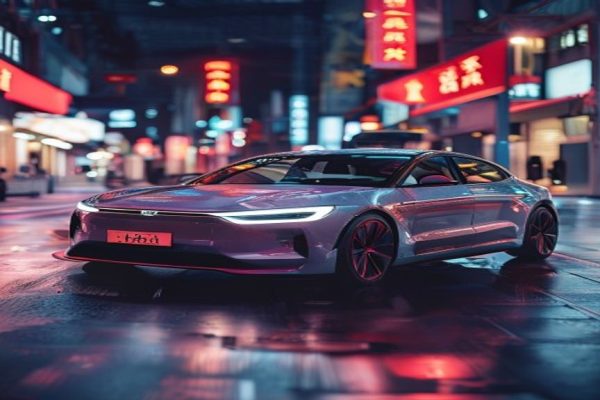
New Rule Sparks Controversy in the EV Industry
The automotive sector has been on the rise in recent years, with electric vehicles (EVs) leading the charge. However, a new rule implemented by the US government has sparked controversy, particularly among Chinese EV manufacturers. The rule, which bans vehicles with software from China, has led to the denial of authorization for a prominent Chinese EV maker.
The company in question has been at the forefront of the EV revolution, producing innovative and eco-friendly vehicles that have gained popularity worldwide. Its entry into the US market would have been a significant milestone, providing consumers with more options and driving competition in the industry.
Background on the US-China Trade Tensions
The US-China trade tensions have been escalating for years, with both countries imposing tariffs and restricting access to each other’s markets. The US government has been particularly concerned about the security risks associated with Chinese software, citing concerns about data protection and intellectual property theft. This new rule is the latest in a series of measures aimed at reducing the US’s reliance on Chinese technology.
The Chinese government has responded with anger, accusing the US of protectionism and unfair trade practices. China has also taken steps to restrict US companies operating in the country, further exacerbating the tensions.
- The US government has imposed restrictions on Chinese software in vehicles to address security concerns.
- Chinese EV manufacturers are facing significant challenges in entering the US market.
- The trade tensions between the US and China are escalating, with both countries imposing tariffs and restricting access to each other’s markets.
Implications for the EV Industry
The denial of authorization for the Chinese EV maker has significant implications for the industry. It may lead to a reduction in competition, driving up prices for consumers and limiting innovation. The US government’s stance on Chinese software may also set a precedent for other countries, potentially restricting access to their markets.
However, some argue that the US government’s concerns about security risks are valid. The use of Chinese software in vehicles raises questions about data protection and intellectual property theft. The US government may be taking a proactive approach to address these concerns and ensure the security of its citizens.
The future of EVs in the US market remains uncertain. While the denial of authorization for the Chinese EV maker is a setback, it may also create opportunities for other manufacturers to fill the gap. The industry is likely to adapt to the new regulations and find ways to innovate and compete.
The US government’s stance on Chinese software in vehicles is just one aspect of the broader trade tensions between the US and China. The implications of this decision will be far-reaching, affecting not only the EV industry but also the global economy.
As the situation continues to unfold, one thing is certain: the future of EVs in the US market will be shaped by the complex interplay of trade policies, technological advancements, and consumer demand.






Leave a Reply