New Rule Sparks Controversy Over Chinese Tech Firms in the US
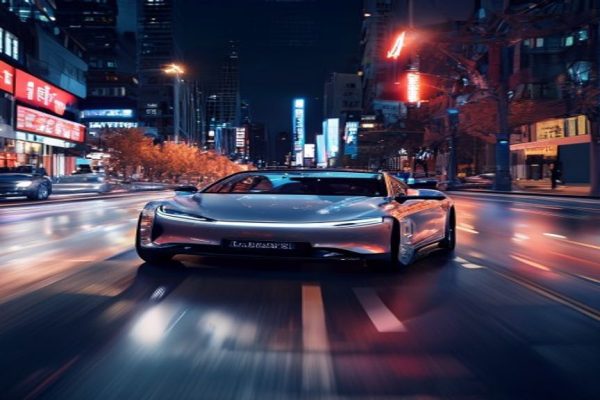
The recent denial of authorization to a Chinese tech firm’s self-driving car project has sent shockwaves throughout the industry, sparking concerns about the future of Chinese technology in the US. The company, which has been working on a revolutionary self-driving car system, was denied permission under a new rule that bans vehicles with software from China.
Background: Rising Tensions and Trade Wars
The US and China have been engaged in a trade war for several years, with both countries imposing tariffs and restrictions on each other’s goods and services. The new rule is seen as a continuation of this trend, with the US government tightening its grip on Chinese technology. The rule, which was introduced in response to concerns about national security, prohibits the use of software from China in critical infrastructure projects, including self-driving cars.
Impact on the Industry: A Growing Trend of Protectionism
The denial of authorization to the Chinese tech firm’s self-driving car project is just the latest example of a growing trend of protectionism in the US. The country has been increasingly wary of Chinese technology, with many policymakers and experts expressing concerns about the potential risks and security implications of relying on Chinese-made software.
However, the move has also sparked criticism from industry experts, who argue that it will stifle innovation and drive up costs for consumers. The self-driving car industry is highly complex and relies on a range of technologies, including software, hardware, and sensors. The new rule could make it more difficult for companies to develop and deploy self-driving cars, potentially slowing down the pace of innovation.
Future Implications: Will Other Countries Follow Suit?
The US block on Chinese tech firm’s self-driving car project has raised questions about the future of Chinese technology in other countries. Will other nations follow suit and impose similar restrictions on Chinese-made software? The implications of such a move could be far-reaching, with potential consequences for the global tech industry.
The self-driving car industry is a highly competitive and rapidly evolving field, with many countries vying to become leaders in the sector. The US block on Chinese tech firm’s self-driving car project is just the latest example of a growing trend of protectionism in the US. As the industry continues to evolve, it remains to be seen how other countries will respond to the rise of Chinese technology.
- The US has denied authorization to a Chinese tech firm’s self-driving car project under a new rule that bans vehicles with software from China.
- The rule is seen as a continuation of the US-China trade war, with the US government tightening its grip on Chinese technology.
- The move has sparked criticism from industry experts, who argue that it will stifle innovation and drive up costs for consumers.
- The self-driving car industry is highly complex and relies on a range of technologies, including software, hardware, and sensors.
What’s Next?
The US block on Chinese tech firm’s self-driving car project is just the latest example of a growing trend of protectionism in the US. As the industry continues to evolve, it remains to be seen how other countries will respond to the rise of Chinese technology. One thing is certain: the future of the self-driving car industry will be shaped by a complex interplay of technological, economic, and political factors.
The Chinese tech firm has stated that it will appeal the decision and continue to work on its self-driving car project. The US government has yet to comment on the decision, but it is expected to provide more clarity on the new rule and its implications for the industry in the coming weeks.
As the situation continues to unfold, one thing is clear: the US block on Chinese tech firm’s self-driving car project has sent shockwaves throughout the industry, sparking concerns about the future of Chinese technology in the US.






Leave a Reply