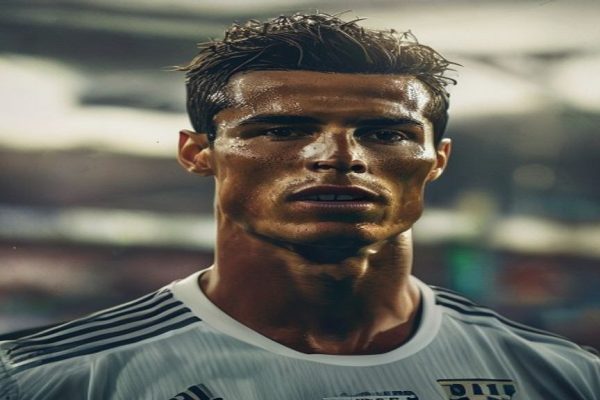
A New Era in Football Transfers
The summer of 2009 will be remembered as a pivotal moment in the history of football. It was then that Cristiano Ronaldo made the shocking move from Manchester United to Real Madrid, smashing the world record transfer fee with a £80m move. In an exclusive interview, Txiki Begiristain, the director of football at Barcelona between 2003 and 2010, reflects on the impact of this transfer and how it changed the face of football.
The Rise of Galacticos and the Shift in Transfer Market Dynamics
The Ronaldo transfer was not just a significant move for the player and his new club but also marked a turning point in the way football clubs approached transfer markets. The concept of ‘Galacticos’ – a term coined to describe the acquisition of world-class talent to elevate the reputation and competitiveness of a club – had already begun to take shape in the early 2000s. However, the Ronaldo transfer took this strategy to new heights, setting a precedent for clubs to invest heavily in top talent.
The move also marked a significant shift in the dynamics of the transfer market. In the past, clubs would often rely on homegrown talent, scouting, and youth development to build their teams. However, the Ronaldo transfer signaled a new era of ambition and spending power, where clubs were willing to break the bank to attract the best players. This has led to a situation where top clubs now compete with each other in a global transfer market, driving up prices and creating a new level of competition.
Consequences and Future Implications
The consequences of the Ronaldo transfer have been far-reaching, impacting not only the clubs involved but also the wider football industry. The transfer fee has continued to rise, with players such as Neymar and Kylian Mbappe breaking the £100m barrier in recent years. This has led to increased pressure on clubs to balance their books, invest in infrastructure, and develop their own talent to stay competitive.
The Ronaldo transfer has also had a significant impact on the football business model. The increased spending power of top clubs has led to a surge in commercial revenue, with clubs now generating hundreds of millions of pounds from sponsorship deals, broadcasting rights, and merchandise. However, this has also created a situation where clubs are increasingly reliant on commercial revenue to balance their books, rather than relying on traditional sources of income such as ticket sales and matchday revenue.
Looking ahead, the Ronaldo transfer will continue to shape the football landscape. With the rise of new technologies and digital platforms, football clubs are now more connected to their fans and supporters than ever before. This has created new opportunities for clubs to engage with their audience, generate revenue, and build their brand. However, it also raises concerns about the impact of commercialization on the game, with some arguing that the pursuit of profit is compromising the values and traditions of football.
In conclusion, the Ronaldo transfer was a pivotal moment in the history of football. It marked a new era in transfer market dynamics, drove up spending power, and created a new level of competition among top clubs. As the game continues to evolve, the legacy of the Ronaldo transfer will be felt for generations to come.
- The Ronaldo transfer marked a turning point in the way football clubs approached transfer markets.
- The move set a precedent for clubs to invest heavily in top talent, driving up transfer fees and creating a new level of competition.
- The transfer has had a significant impact on the football business model, with clubs now relying on commercial revenue to balance their books.
- The legacy of the Ronaldo transfer will continue to shape the football landscape, with the rise of new technologies and digital platforms creating new opportunities for clubs to engage with their fans and generate revenue.






Leave a Reply