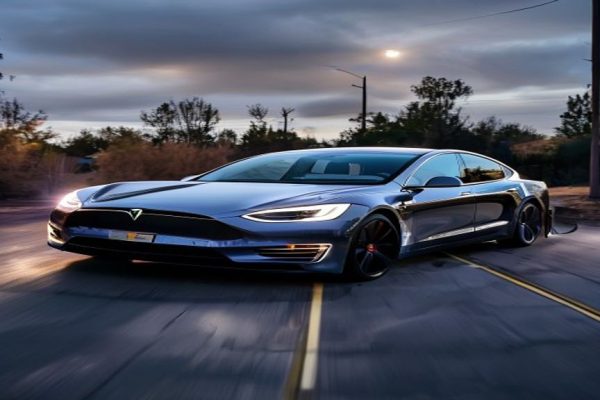
The recent fatal crash of a Tesla Model 3 in Texas has raised serious questions about the reliability and safety of the electric vehicle manufacturer’s Autopilot system. The incident, which occurred on April 17, 2021, has sparked a heated debate about the role of technology in preventing accidents on the road.
The Incident
According to reports, the driver of the Model 3 had the accelerator pressed all the way to 100% when the vehicle crashed into a tree and caught fire. The National Highway Traffic Safety Administration (NHTSA) is currently investigating the incident, but preliminary reports suggest that the Autopilot system was engaged at the time of the crash.
Tesla’s Autopilot system is a advanced driver-assistance system (ADAS) that uses a combination of cameras, radar, and sensors to detect the road environment and assist the driver in driving. However, the system is not a fully autonomous driving system, and it requires the driver to be attentive and ready to intervene at all times.
Criticism of Autopilot System
The recent crash has sparked criticism of the Autopilot system, with many experts and regulators questioning its reliability and safety. The NHTSA has issued several recalls of Tesla vehicles due to issues with the Autopilot system, including a recall in 2020 for a software issue that caused the system to malfunction.
Some experts have raised concerns that the Autopilot system may be overly reliant on technology and may not be able to detect and respond to certain scenarios, such as pedestrians or animals on the road. Others have questioned the lack of transparency and communication from Tesla about the capabilities and limitations of the system.
Future Implications
The recent crash has significant implications for the future of autonomous driving technology. As more and more vehicles are equipped with advanced driver-assistance systems, the need for reliable and safe technology is becoming increasingly important.
The incident has also highlighted the need for greater transparency and communication from manufacturers about the capabilities and limitations of their systems. Consumers must be informed about the potential risks and benefits of these technologies and be able to make informed decisions about their use.
Ultimately, the future of autonomous driving will depend on the ability of manufacturers to develop and deploy reliable and safe technology. The recent crash is a sobering reminder of the challenges and complexities involved in this process.
Key Points
- The recent fatal crash of a Tesla Model 3 has raised questions about the reliability and safety of the Autopilot system.
- The incident has sparked criticism of the Autopilot system, with many experts and regulators questioning its capabilities and limitations.
- The NHTSA is currently investigating the incident, but preliminary reports suggest that the Autopilot system was engaged at the time of the crash.
- The incident has significant implications for the future of autonomous driving technology and the need for greater transparency and communication from manufacturers.






Leave a Reply