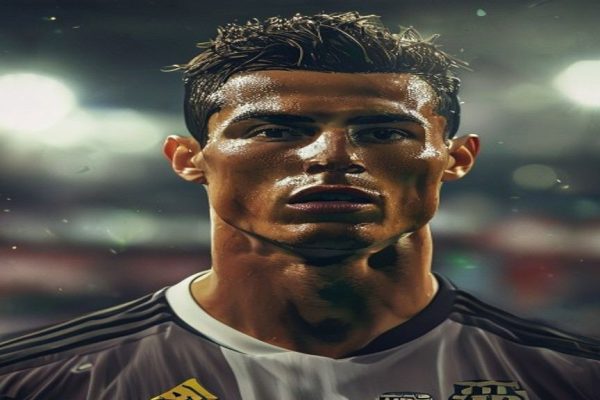
The £80m Transfer That Shook the Football World
The summer of 2009 will forever be etched in the memories of football fans worldwide. It was the season that witnessed the most significant transfer in football history, a move that would alter the course of the sport’s power dynamics and redefine the notion of elite clubs. On June 26, 2009, Real Madrid announced the signing of Portuguese superstar Cristiano Ronaldo from Manchester United in a world-record deal worth £80 million.
The transfer was a masterstroke by Real Madrid’s then-president, Ramón Calderón, who recognized the immense talent and marketability of the 24-year-old winger. Ronaldo’s arrival marked the beginning of a new era for Los Blancos, one that would see them challenge Barcelona’s dominance in Spanish football. As Txiki Begiristain, the former director of football at Barcelona between 2003 and 2010, aptly put it, “being in the same league changed everything.”
The Rise of Galácticos: A New Era of Expenditure
Real Madrid’s £80m outlay on Ronaldo was a bold statement of intent, signaling their commitment to competing at the highest level. This transfer marked the beginning of a new era of Galácticos, a period characterized by immense spending on top talent. The likes of Kaka, Luka Modrić, and José Mourinho soon followed, cementing Real Madrid’s status as one of the world’s biggest clubs.
- The £80m transfer set a new benchmark for spending in football, pushing other clubs to invest heavily in their squads.
- Real Madrid’s commitment to Galácticos marked a significant shift in their transfer policy, prioritizing big-name signings over homegrown talent.
- The move also had a profound impact on the sport as a whole, altering the balance of power in European football.
The Impact on Football’s Power Dynamics
The £80m transfer of Ronaldo had far-reaching consequences for football’s power dynamics. Barcelona, who had dominated Spanish football in the preceding years, faced increased competition from their arch-rivals Real Madrid. The arrival of Galácticos sparked a spending war between the two clubs, with both sides investing heavily in top talent.
The increased expenditure had a trickle-down effect, pushing other clubs to invest in their squads. The likes of Manchester City, Chelsea, and Paris Saint-Germain soon followed the Galácticos model, competing with Real Madrid and Barcelona for the world’s top talent.
The £80m transfer of Ronaldo was a turning point in modern football, one that has had a lasting impact on the sport’s power dynamics. It marked the beginning of a new era of elite clubs, characterized by immense spending and intense competition.
As the sport continues to evolve, the legacy of Ronaldo’s £80m transfer remains a testament to the power of big-money deals in shaping the course of football history.
Image prompt: A photograph of Cristiano Ronaldo in action for Real Madrid, with a blurred image of Manchester United’s Old Trafford stadium in the background, symbolizing the £80m transfer that changed the course of his career and redefined football’s power dynamics.






Leave a Reply