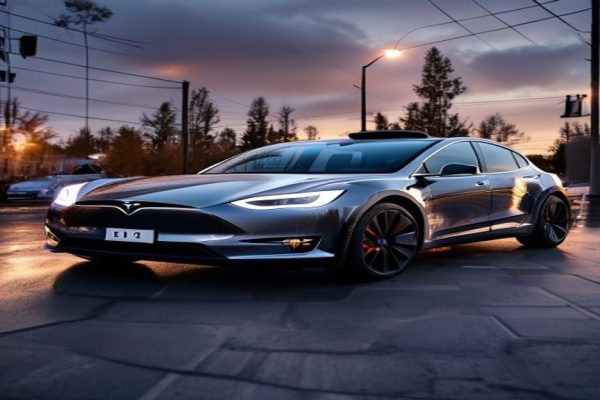
Tesla’s Latest Recall: A Growing Concern for Electric Vehicle Owners
The latest recall from Tesla has sent shockwaves throughout the electric vehicle (EV) market. The company has issued an urgent recall for over 250,000 Model Y vehicles produced between November 2024 and April 2026. The primary reason behind this recall is a critical weight certification label issue that requires immediate attention.
According to recent reports, the affected vehicles may not have the necessary weight certification label, which is a crucial safety feature. This label is essential for determining the vehicle’s gross vehicle weight rating (GVWR), which in turn affects its payload capacity and overall safety. Without this label, owners may unknowingly exceed the vehicle’s GVWR, potentially leading to a range of safety hazards.
The Importance of Weight Certification Labels
Weight certification labels are a critical component of vehicle safety. They provide essential information about a vehicle’s weight, including its GVWR, curb weight, and payload capacity. This information is vital for ensuring that owners do not overload their vehicles, which can lead to a range of issues, including reduced fuel efficiency, increased wear and tear on the vehicle’s components, and even accidents.
In the context of electric vehicles like the Tesla Model Y, weight certification labels are particularly important. EVs are designed to be lightweight and efficient, with a focus on reducing weight to increase range and improve overall performance. However, this also means that EVs are more susceptible to weight-related issues, making the weight certification label a critical safety feature.
The Recall Process: What Owners Need to Know
So, what does this mean for Tesla owners? The company has issued a recall notice, advising owners to have their vehicles inspected by a certified Tesla technician or a licensed mechanic. The inspection process is relatively straightforward and should take around 30 minutes to an hour to complete.
During the inspection, the technician will check the vehicle’s weight certification label to ensure that it is properly attached and legible. If the label is missing or incomplete, the technician will replace it with a new one. In some cases, owners may need to make adjustments to their vehicle’s payload capacity or payload distribution to ensure compliance with safety regulations.
It’s worth noting that Tesla is taking a proactive approach to this recall, offering owners a free inspection and replacement of the weight certification label if necessary. The company is also providing owners with a comprehensive guide on how to prepare for the inspection and what to expect during the process.
The Future Implications of This Recall
The recall of over 250,000 Tesla Model Y vehicles is a significant development for the EV market. It highlights the importance of safety features like weight certification labels and the need for manufacturers to prioritize these features in their vehicles.
As the EV market continues to grow, it’s likely that we’ll see more recalls like this in the future. However, this recall also serves as a reminder of the importance of prioritizing safety and taking proactive steps to address potential issues before they become major problems.
Key Points to Remember:
- Tesla has issued a recall for over 250,000 Model Y vehicles produced between November 2024 and April 2026.
- The recall is due to a weight certification label issue that requires immediate attention.
- Owners are advised to have their vehicles inspected by a certified Tesla technician or a licensed mechanic.
- The inspection process should take around 30 minutes to an hour to complete.
- Tesla is offering owners a free inspection and replacement of the weight certification label if necessary.
In conclusion, the recall of over 250,000 Tesla Model Y vehicles highlights the importance of safety features like weight certification labels. It serves as a reminder for manufacturers to prioritize these features in their vehicles and for owners to take proactive steps to address potential issues before they become major problems.
As the EV market continues to grow, it’s essential for manufacturers to prioritize safety and take a proactive approach to addressing potential issues. By doing so, they can ensure that their vehicles remain safe and reliable for owners, while also maintaining the trust and confidence of the market.






Leave a Reply