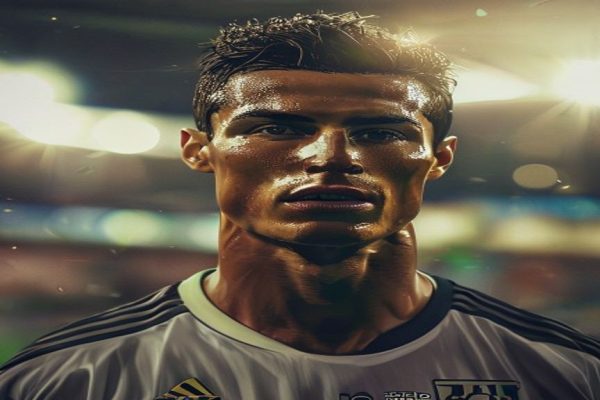
A Game-Changing Transfer: The £80m Move that Redefined the Football Market
The summer of 2009 was one for the history books in the football world. The transfer of Cristiano Ronaldo from Manchester United to Real Madrid for a world-record £80m sparked a chain reaction that would change the dynamics of the sport forever. In an exclusive interview, Txiki Begiristain, the former director of football at Barcelona, shared his thoughts on the impact of this monumental transfer.
Begiristain, who was instrumental in shaping Barcelona’s football philosophy during his tenure, acknowledged the profound influence of Ronaldo’s transfer on the football landscape. “There is no doubt being in the same league changed everything,” he said. “The level of competition, the intensity, and the financial investment all increased exponentially.” This shift had far-reaching consequences, transforming the way clubs operated, invested, and competed at the highest level.
Breaking the Transfer Fee Barrier
Ronaldo’s transfer from Manchester United to Real Madrid shattered the previous transfer fee record, paving the way for a new era of massive spending in football. The £80m fee set a new benchmark, and clubs began to push the boundaries of what was considered acceptable. The influx of money from television rights and sponsorship deals enabled clubs to invest heavily in player transfers, further exacerbating the financial gap between the top echelons of the sport.
“The Ronaldo transfer was a game-changer,” said Begiristain. “It set a new standard, and clubs had to adapt to the new reality. The financial landscape of football changed overnight, and we saw a significant increase in transfer fees and wages.” This shift not only affected the top clubs but also had a ripple effect on lower divisions, as smaller clubs struggled to compete with the behemoths of the sport.
Consequences of the Ronaldo Effect
The ripple effects of Ronaldo’s transfer can be seen in the current state of football. The sport has become increasingly expensive, with clubs competing for the best talent at exorbitant prices. The emphasis on winning has led to a focus on attracting high-profile players, often at the expense of youth development and homegrown talent.
“The Ronaldo transfer marked a turning point in football’s financial trajectory,” said Begiristain. “Clubs began to prioritize spending on high-profile players, and the sport became more commercially driven. This shift has had both positive and negative consequences, but it’s undeniable that the sport has become more competitive and exciting as a result.”
However, the Ronaldo effect has also led to concerns about player welfare, with the constant pressure to perform and the immense financial burdens placed on players. The sport has become increasingly reliant on star players, and the lack of depth and youth development has become a pressing issue.
The Future of Football: Balancing Finances and Competitiveness
As the football world continues to evolve, clubs must navigate the delicate balance between financial sustainability and competitiveness. The Ronaldo effect has created a new reality, where clubs must invest heavily to remain relevant. However, this shift has also led to concerns about the sport’s long-term viability and the welfare of its players.
“The future of football is uncertain, but one thing is clear: clubs must adapt to the new reality,” said Begiristain. “We need to find a balance between financial sustainability and competitiveness, ensuring that the sport remains exciting and accessible to fans while also protecting the interests of players and clubs alike.”
The legacy of Ronaldo’s transfer continues to shape the football world, with its impact still being felt today. As the sport continues to evolve, clubs, players, and fans must navigate the complex landscape created by this monumental transfer.
- The Ronaldo transfer marked a turning point in football’s financial trajectory, setting a new standard for transfer fees and wages.
- The emphasis on winning has led to a focus on attracting high-profile players, often at the expense of youth development and homegrown talent.
- The sport has become increasingly reliant on star players, with the lack of depth and youth development becoming a pressing issue.
- Clubs must navigate the delicate balance between financial sustainability and competitiveness to ensure the sport’s long-term viability.
This article is part of an ongoing series exploring the impact of high-profile transfers on the football world. Stay tuned for more in-depth analysis and expert insights.
Image Prompt: A dramatic depiction of Cristiano Ronaldo celebrating his goal at the Santiago Bernabéu Stadium, with a backdrop of financial charts and graphs illustrating the record-breaking transfer fee. The image should convey the excitement, drama, and financial stakes of the transfer.






Leave a Reply