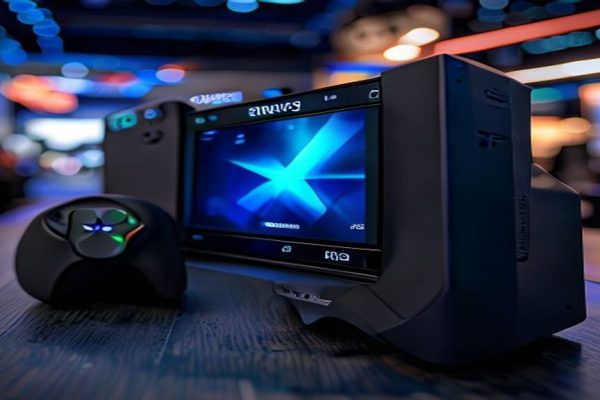
Microsoft’s Xbox Conundrum: Balancing Innovation and Affordability
Microsoft’s Xbox division has been at the forefront of gaming innovation, consistently pushing the boundaries of what is possible in the world of console gaming. However, with the rising costs of production and the competitive nature of the gaming market, the company has been forced to reassess its plans for Project Helix, a high-end gaming console project that was initially intended to be a major player in the next-generation gaming landscape.
The Background: Project Helix and the Xbox Ecosystem
Project Helix was first announced in 2020, with the promise of delivering a next-generation gaming experience that would rival the offerings of Sony’s PlayStation and Nintendo’s Switch. The project was seen as a major investment in Microsoft’s Xbox division, with a focus on delivering cutting-edge graphics, advanced AI capabilities, and a sleek, user-friendly interface. However, as the project progressed, Microsoft began to realize that the costs of developing and manufacturing the console were higher than initially anticipated.
The Xbox ecosystem is a complex and multifaceted beast, with a wide range of products and services that cater to different segments of the gaming market. From the budget-friendly Xbox Series S to the high-end Xbox Series X, Microsoft has positioned its consoles as a premium offering, with a focus on delivering a high-quality gaming experience that justifies the price tag. However, with the rise of cloud gaming and the increasing popularity of subscription-based services, the traditional console market is becoming increasingly fragmented, making it harder for Microsoft to maintain its market share.
The Challenges: Balancing Innovation and Affordability
Microsoft’s decision to reevaluate Project Helix is a clear recognition of the challenges facing the Xbox division. With the rise of cloud gaming and the increasing popularity of subscription-based services, the traditional console market is becoming increasingly fragmented, making it harder for Microsoft to maintain its market share. At the same time, the costs of developing and manufacturing consoles are rising, making it harder for the company to deliver a high-quality gaming experience at an affordable price.
According to industry insiders, one of the major challenges facing Microsoft is the cost of developing and manufacturing the console’s custom-designed GPU. The GPU is a critical component of the Xbox’s gaming performance, and its high cost is a major contributor to the console’s overall price tag. However, with the rise of alternative technologies, such as graphics processing units (GPUs) and central processing units (CPUs), Microsoft is exploring new ways to reduce the cost of the console’s GPU without sacrificing performance.
The Future: New Approaches to Console Gaming
Microsoft’s decision to reevaluate Project Helix is a clear recognition of the need for innovation in the gaming industry. With the rise of cloud gaming and the increasing popularity of subscription-based services, the traditional console market is becoming increasingly fragmented, making it harder for Microsoft to maintain its market share. At the same time, the costs of developing and manufacturing consoles are rising, making it harder for the company to deliver a high-quality gaming experience at an affordable price.
In response to these challenges, Microsoft is exploring new approaches to console gaming, including the use of cloud-based services and subscription-based models. The company is also investing heavily in research and development, with a focus on delivering new technologies that can reduce the cost of console production without sacrificing performance. While the future of Project Helix remains uncertain, one thing is clear: Microsoft is committed to delivering a high-quality gaming experience that meets the needs of its customers, regardless of the challenges facing the industry.
Key Points:
- Microsoft is reassessing its plans for Project Helix, a high-end gaming console project.
- The company is exploring new ways to reduce the cost of console production without sacrificing performance.
- Microsoft is investing heavily in research and development, with a focus on delivering new technologies that can reduce the cost of console production.
- The company is exploring new approaches to console gaming, including the use of cloud-based services and subscription-based models.
- Microsoft is committed to delivering a high-quality gaming experience that meets the needs of its customers.






Leave a Reply