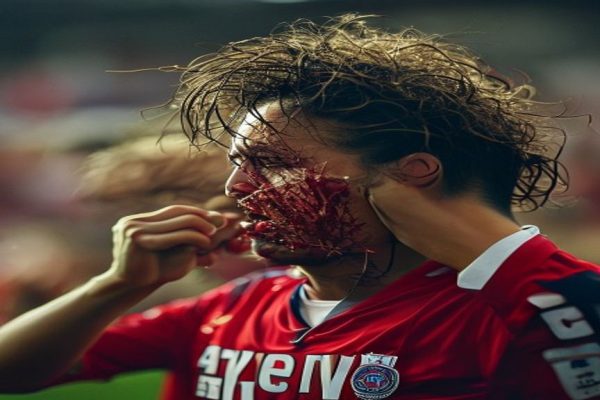
New Rules to Tackle Hair-Pulling in the Premier League
The Premier League has announced a change in its refereeing protocol for next season, following a concerning trend of hair-pulling incidents on the pitch. Three players were sent off for the offense in the 2025-26 campaign, prompting the league to reassess its approach to this specific type of foul.
Background and Context
Hair-pulling, also known as “hair-grabbing” or “hair-pulling fouls,” has been a contentious issue in football for several years. While it may seem like a minor infraction, the physical and emotional impact on the player can be significant. The Premier League’s decision to revisit its guidelines reflects a growing awareness of the need to address this behavior and promote a safer, more respectful playing environment.
Why the Change is Necessary
There are several reasons why the Premier League has decided to introduce new guidelines for hair-pulling incidents. Firstly, the physical consequences of hair-pulling can be severe, causing pain, discomfort, and even hair loss. Secondly, the emotional toll on players can be significant, leading to anxiety, stress, and even long-term psychological damage. Finally, the lack of clear guidelines has led to inconsistent refereeing decisions, creating confusion and controversy among fans and pundits alike.
The Premier League’s new guidelines will provide a clear framework for referees to identify and punish hair-pulling incidents. This will include specific criteria for determining when a hair-pulling foul has occurred, as well as guidelines for how to apply the relevant sanctions. The aim is to create a more consistent and fair playing environment, where players feel safe and respected on the pitch.
Future Implications and Expectations
The introduction of new guidelines for hair-pulling incidents has significant implications for the Premier League and the wider football community. Firstly, it sets a precedent for other leagues and competitions to follow suit, potentially leading to a more consistent and harmonized approach to refereeing across the sport. Secondly, it sends a clear message to players, coaches, and fans that hair-pulling will no longer be tolerated and that those who engage in this behavior will face consequences.
However, the success of this initiative will depend on effective implementation and communication. Referees will need to be trained and equipped to enforce the new guidelines consistently, while players and coaches must be educated on the importance of respecting each other’s personal space and physical integrity. Ultimately, the Premier League’s efforts to address hair-pulling incidents will be judged on their ability to create a safer, more respectful, and more enjoyable game for all involved.
- The Premier League has announced new guidelines for refereeing hair-pulling incidents next season.
- The decision comes after three players were sent off for the offense in the 2025-26 campaign.
- The new guidelines aim to create a more consistent and fair playing environment.
- Referees will be trained to enforce the new guidelines consistently.
- The Premier League’s efforts will be judged on their ability to create a safer, more respectful, and more enjoyable game.
Conclusion
The Premier League’s decision to introduce new guidelines for hair-pulling incidents marks an important step towards a safer, more respectful, and more enjoyable game. By addressing this specific type of foul, the league is sending a clear message to players, coaches, and fans that hair-pulling will no longer be tolerated. As the sport continues to evolve, it is essential that we prioritize player safety, respect, and well-being. The Premier League’s initiative is a welcome step in this direction, and we can expect to see positive changes on the pitch as a result.
With the new season just around the corner, fans and pundits alike will be watching closely to see how the new guidelines are implemented and how they impact the game. One thing is certain – the Premier League’s commitment to creating a safer and more respectful playing environment is a welcome development for the sport and its stakeholders.






Leave a Reply