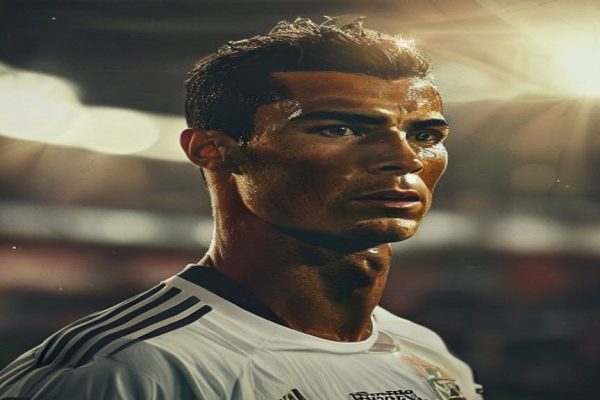
The Birth of the Galactico Era
The summer of 2009 was a pivotal moment in modern football history. In a move that would change the landscape of the sport forever, Cristiano Ronaldo left Manchester United to join Real Madrid for a world-record transfer fee of £80m. The Portuguese winger’s arrival marked the beginning of the Galactico era, an era that would see the Spanish giants dominate the sport with unparalleled spending power.
Ronaldo’s move to Real Madrid was not just a transfer, but a symbol of the changing times in football. The influx of Middle Eastern and Asian investment in the sport had led to a surge in transfer fees, and clubs were no longer content with just winning domestic titles. The ambition to conquer Europe and the world had become the new benchmark.
The Impact of the Galactico Era
The Galactico era, which spanned from 2000 to 2010, saw Real Madrid assemble a squad of superstars, including Ronaldo, Kaka, and Zinedine Zidane. The club’s spending power and ambition led to a period of unprecedented success, with multiple Champions League titles and La Liga crowns. The Galactico era not only reshaped Real Madrid’s fortunes but also had a profound impact on the sport as a whole.
Clubs across Europe began to adopt the Galactico model, splashing out on high-profile signings to assemble their own squads of stars. The transfer market became a game of cat and mouse, with clubs competing to outbid each other for the world’s top talent. The sport became more global, with players from all over the world moving to Europe’s top leagues.
The Legacy of the Galactico Era
The Galactico era may have come to an end, but its legacy continues to shape modern football. The model of assembling a squad of superstars has become the norm, with clubs competing to attract the world’s top talent. The transfer market has become a multi-billion dollar industry, with clubs willing to spend whatever it takes to succeed.
The Galactico era has also had a profound impact on the sport’s business side. The influx of investment has led to a surge in revenue, with clubs generating billions of dollars from TV rights, sponsorships, and merchandise. The sport has become more commercial, with clubs and leagues competing to secure lucrative deals.
However, the Galactico era has also been criticized for creating an unsustainable financial model. The emphasis on spending big has led to clubs accumulating massive debts, which can have severe consequences for the sport as a whole. The risk of financial collapse has become a real concern, with clubs struggling to balance their books.
The Future of Football
As the sport continues to evolve, it is clear that the Galactico era has left an indelible mark. The model of assembling a squad of superstars has become the norm, and the transfer market continues to shape the sport. However, as the sport moves forward, it is essential to address the financial sustainability of the model.
The introduction of Financial Fair Play (FFP) regulations has aimed to regulate the transfer market and prevent clubs from spending beyond their means. However, the effectiveness of FFP remains a subject of debate, with some arguing that it has not gone far enough to address the financial concerns.
As the sport continues to grow and evolve, it is essential to find a balance between ambition and financial sustainability. The Galactico era may have changed the landscape of football, but it is up to the sport’s stakeholders to ensure that the model is sustainable for the future.
- The Galactico era marked the beginning of a new era in football, with clubs competing to assemble squads of superstars.
- The era saw Real Madrid dominate European football, winning multiple Champions League titles and La Liga crowns.
- The Galactico era has had a profound impact on the sport, reshaping the transfer market and creating a global industry.
- The model of assembling a squad of superstars has become the norm, with clubs competing to attract the world’s top talent.
- The transfer market has become a multi-billion dollar industry, with clubs willing to spend whatever it takes to succeed.






Leave a Reply