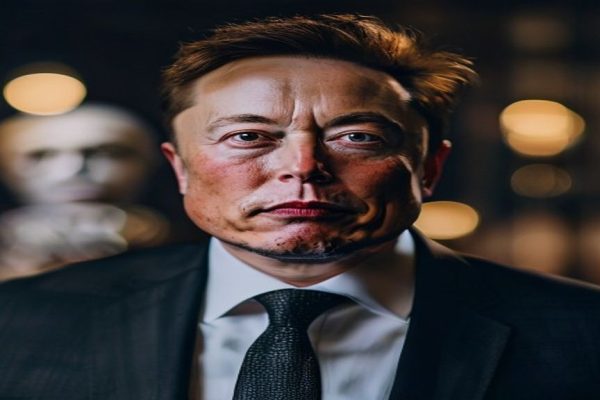
Elon Musk Suffers Crushing Legal Blow in OpenAI Dispute
The entrepreneur and billionaire CEO has suffered a significant setback in his long-standing legal battle against OpenAI, with a federal jury and a judge ruling that he waited too long to bring his claims against the AI startup and its top executive.
Background and Context
Elon Musk’s involvement with OpenAI dates back to 2015, when he was one of the startup’s earliest investors and the chairman of its board. However, his relationship with the company began to deteriorate in 2018, after Musk’s tweets sparked concerns over the safety and capabilities of OpenAI’s AI technology.
In 2021, Musk filed a lawsuit against OpenAI and its CEO, Sam Altman, alleging that they had misled him about the company’s intentions and the capabilities of its AI technology. However, the court has now ruled that Musk’s claims are barred by a statute of limitations, which requires that disputes be brought within a certain time frame.
Reasons Behind the Ruling
The court’s ruling was based on the fact that Musk had knowledge of OpenAI’s alleged wrongdoing as early as 2018, but waited until 2021 to bring his claims. This delay, the court found, was too long and bars Musk’s claims under the statute of limitations.
OpenAI and its CEO, Sam Altman, have been accused of misleading Musk about the company’s intentions and the capabilities of its AI technology. However, the court’s ruling suggests that Musk may not have a valid claim against OpenAI, and that his legal battle may be at an end.
Future Implications
The court’s ruling has significant implications for the future of AI research and development. If Musk’s claims against OpenAI are barred, it could set a precedent for other companies and investors who are involved in AI research and development. It could also limit the ability of companies to bring claims against each other in disputes over AI technology.
The ruling also raises questions about the role of investors in AI research and development. Should investors be able to bring claims against companies if they feel that they have been misled about the capabilities of AI technology? The court’s ruling suggests that the answer may be no, at least in certain circumstances.
Key Points
- Elon Musk has suffered a significant legal setback in his battle against OpenAI
- The court ruled that Musk’s claims are barred by a statute of limitations
- The ruling has significant implications for the future of AI research and development
- The ruling raises questions about the role of investors in AI research and development
Image Prompt:
A detailed description for an AI image generator representing this news: A close-up of a judge’s gavel, with a faint image of Elon Musk’s face in the background. The judge’s gavel is surrounded by a faint aura of light, symbolizing the significance of the court’s ruling. In the foreground, a faint image of OpenAI’s logo is visible, with the words ‘AI Research’ written in small letters below it.






Leave a Reply