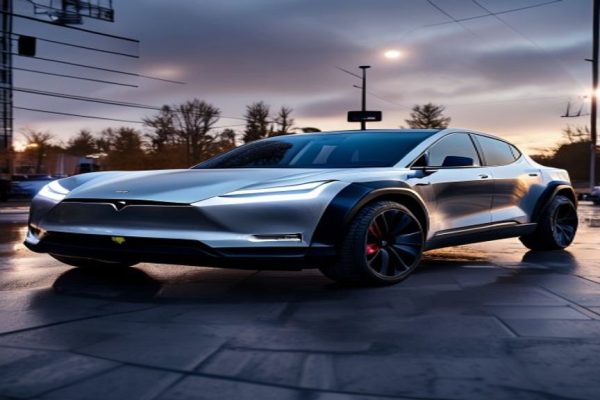
As the automotive industry continues to evolve, electric vehicle (EV) manufacturer Tesla has faced numerous challenges in ensuring the safety and stability of its innovative vehicles. The latest development in this regard is the recall of all 173 Rear-Wheel Drive (RWD) Cybertrucks sold by the company.
Background and Context
The Cybertruck, first unveiled in 2019, was touted as a futuristic, high-performance vehicle that combined sleek design with cutting-edge technology. However, the launch of the RWD variant was met with controversy and concerns over its safety and stability. Critics argued that the vehicle’s design and features, such as its stainless steel body and advanced aerodynamics, could lead to potential issues on the road.
Despite initial reservations, Tesla continued to sell the RWD Cybertruck, with 173 units being delivered to customers. However, recent reports and data analyses have raised concerns over the vehicle’s performance and handling, particularly in extreme weather conditions.
Reasons for the Recall
- Instability and Loss of Control: Tesla has identified a software issue that can cause the RWD Cybertruck to lose stability and control, potentially leading to accidents.
- Reduced Traction: The recall is also related to a problem with the vehicle’s traction control system, which can reduce its ability to grip the road, especially on slippery or uneven surfaces.
- Increased Risk of Crashes: The combination of these issues can increase the risk of crashes, particularly at high speeds or in emergency situations.
Tesla has acknowledged the problems and has taken immediate action to rectify the situation. The recall is expected to be completed within the next few weeks, with affected customers being notified and provided with instructions on how to proceed.
Future Implications and Consequences
The recall of the RWD Cybertruck has significant implications for Tesla and the EV industry as a whole. It highlights the importance of rigorous testing and validation processes to ensure the safety and performance of innovative vehicles.
The incident also raises questions over the company’s quality control and oversight procedures. Tesla has a reputation for pushing the boundaries of innovation, but this recall serves as a reminder that such efforts must be balanced with a commitment to safety and customer satisfaction.
In the short term, the recall is likely to have a negative impact on Tesla’s sales and reputation. However, the company’s swift action in addressing the issue and its commitment to customer safety will be crucial in mitigating the consequences and maintaining investor confidence.
As the automotive industry continues to evolve, the recall of the RWD Cybertruck serves as a valuable lesson in the importance of prioritizing safety and performance. It highlights the need for manufacturers to strike a balance between innovation and caution, and to invest in rigorous testing and validation processes to ensure the well-being of their customers.
The recall also underscores the importance of transparent communication and customer engagement. Tesla has taken steps to inform affected customers and provide them with guidance on the recall process. This approach is crucial in maintaining trust and confidence in the brand.
In conclusion, the recall of the RWD Cybertruck is a significant development in the automotive industry. While it poses short-term challenges for Tesla, it also presents an opportunity for the company to reaffirm its commitment to safety and customer satisfaction. As the industry continues to evolve, this incident serves as a valuable reminder of the importance of prioritizing the well-being of customers and the environment.






Leave a Reply