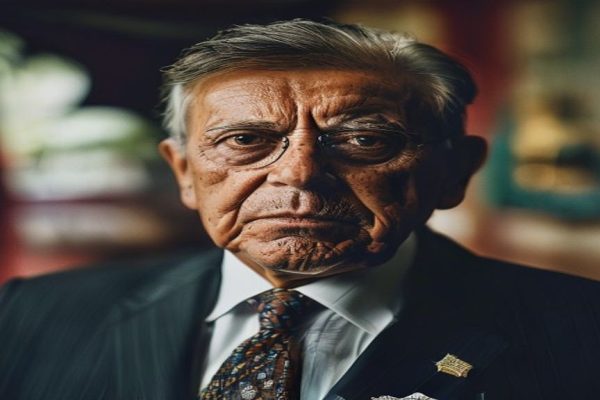
Popularity Plunge: Understanding the Context
Mexico’s President Andrés Manuel López Obrador has been in power since 2018, but recent polls indicate a significant decline in his popularity. The story is not receiving huge coverage in Latin America, but Brazilian news outlet G1 has labeled it a ‘crisis’, while Mexico’s La Jornada notes that López Obrador’s popularity has continued to fall. The reasons behind this trend are multifaceted and deeply rooted in the country’s economic, social, and political landscape.
Economic Challenges: A Key Contributing Factor
Mexico has been facing economic headwinds in recent years, including a decline in oil production, a decrease in foreign direct investment, and a rise in inflation. López Obrador’s administration has struggled to address these issues, with many critics arguing that his policies have exacerbated the problems rather than solving them. The economic downturn has had a significant impact on the country’s middle class, leading to widespread discontent and a decrease in support for the president.
- The peso has lost value against the US dollar, making imports more expensive and contributing to inflation.
- The country’s manufacturing sector has been hit hard by the decline in foreign investment and the rise in protectionism in the US.
- The government’s decision to cancel a major infrastructure project has led to job losses and economic uncertainty.
Social and Political Divisions: A Perfect Storm
Mexico has a long history of social and political divisions, and López Obrador’s presidency has only exacerbated these tensions. The president’s close ties to the left-wing National Regeneration Movement (MORENA) party have led to accusations of authoritarianism and a lack of transparency. The government’s handling of sensitive issues such as corruption, crime, and human rights has also been widely criticized.
The country’s independent media has been critical of López Obrador’s administration, accusing it of suppressing freedom of the press and intimidating journalists. The government’s response to the COVID-19 pandemic has also been widely criticized, with many arguing that it was slow to respond and inadequate in its measures.
Regional Implications: A Crisis for the Region?
The crisis surrounding López Obrador’s popularity has significant regional implications. Mexico is a key player in regional organizations such as the Pacific Alliance and the G20, and a decline in its economic and political stability could have far-reaching consequences. The country’s neighbors, including the US, Canada, and countries in Central America, are closely watching the situation and are likely to respond accordingly.
The crisis also raises questions about the state of democracy in Mexico and the region. López Obrador’s presidency has been marked by a decline in democratic norms and institutions, and a rise in authoritarianism. The situation has sparked concerns about the future of democracy in Mexico and the region, and the need for greater international engagement and support for democratic institutions.
The unpopularity crisis surrounding López Obrador’s presidency is a complex and multifaceted issue, with deep roots in Mexico’s economic, social, and political landscape. As the situation continues to unfold, it is essential to monitor its development and implications for the region and the world.
A detailed analysis of the crisis and its implications is necessary to understand the underlying causes and potential solutions. The international community should be prepared to engage with Mexico and offer support for democratic institutions and economic stability. The future of Mexico and the region depends on it.
Image Prompt:
A photograph of Mexico’s President Andrés Manuel López Obrador looking somber, with a backdrop of a crowded city street. In the foreground, a banner reading ‘No a la crisis’ (No to the crisis) would be visible. The image should convey a sense of uncertainty and concern for the future of Mexico and the region.
Category: Politics






Leave a Reply