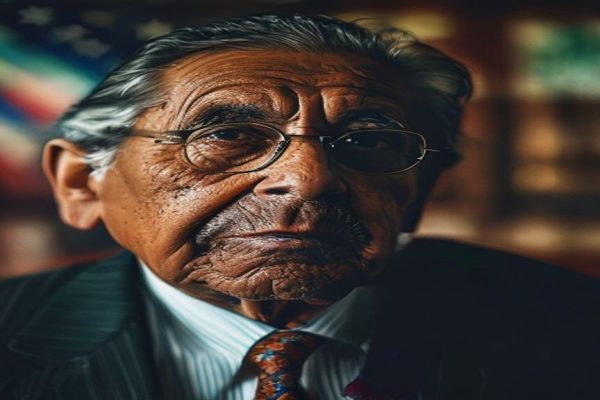
Leadership Crisis in Latin America: A Growing Concern
The recent decline in popularity among regional leaders has sparked a heated debate in Latin America, with many experts warning of a potential leadership crisis. The crisis has been particularly pronounced in countries such as Brazil and Mexico, where the elderly leadership has been facing increasing criticism from citizens.
The current situation is a far cry from the optimistic outlook of the early 2000s, when the region’s economies were booming, and leaders such as Hugo Chávez and Luiz Inácio Lula da Silva were seen as visionaries. However, in recent years, the region has been plagued by corruption scandals, economic woes, and social unrest, leading to a growing sense of disillusionment among citizens.
A Decline in Popularity: The Case of Brazil and Mexico
Brazil’s President Jair Bolsonaro and Mexico’s President Andrés Manuel López Obrador have been at the center of the leadership crisis. Brazil’s G1 newspaper has referred to the situation as a “crisis,” while Mexico’s La Jornada has noted that the popularity of the 63-year-old leader has continued to fall. The reasons behind the decline are complex and multifaceted, but experts point to a combination of factors, including a growing perception of corruption, economic stagnation, and a lack of effective governance.
In the case of Brazil, the crisis has been exacerbated by the ongoing COVID-19 pandemic, which has exposed deep-seated flaws in the country’s healthcare system. The pandemic has also highlighted the government’s inability to effectively respond to crises, further eroding public trust in the leadership.
In Mexico, the situation is equally dire. The country’s economy has been stagnant for years, and the president’s efforts to stimulate growth have been largely unsuccessful. The corruption scandals that have rocked the government have also taken a toll on public opinion, with many citizens feeling that the leadership is more interested in protecting its own interests than in serving the people.
Future Implications: A Leadership Vacuum in Latin America?
The implications of the leadership crisis in Latin America are far-reaching and potentially catastrophic. If current trends continue, the region may be faced with a leadership vacuum, where no clear alternative emerges to fill the gap left by the departing leaders. This could lead to a period of instability and uncertainty, as different factions and interest groups jockey for power.
The potential consequences of a leadership crisis in Latin America are numerous, ranging from economic instability to social unrest. The region has already suffered from a series of economic crises, including the devastating 2008 global financial crisis, which had a disproportionate impact on Latin America. A leadership crisis could exacerbate this trend, leading to a further decline in economic growth and living standards.
In conclusion, the leadership crisis in Latin America is a pressing concern that requires immediate attention. The decline in popularity among regional leaders has sparked a heated debate, with many experts warning of a potential leadership vacuum. The implications of this crisis are far-reaching, and the region must act quickly to address the underlying causes of this crisis before it’s too late.
- The leadership crisis in Latin America is a growing concern, with many experts warning of a potential leadership vacuum.
- The crisis has been particularly pronounced in countries such as Brazil and Mexico, where the elderly leadership has been facing increasing criticism from citizens.
- The reasons behind the decline in popularity are complex and multifaceted, but experts point to a combination of factors, including corruption, economic stagnation, and a lack of effective governance.
- The implications of the leadership crisis in Latin America are far-reaching and potentially catastrophic, ranging from economic instability to social unrest.






Leave a Reply