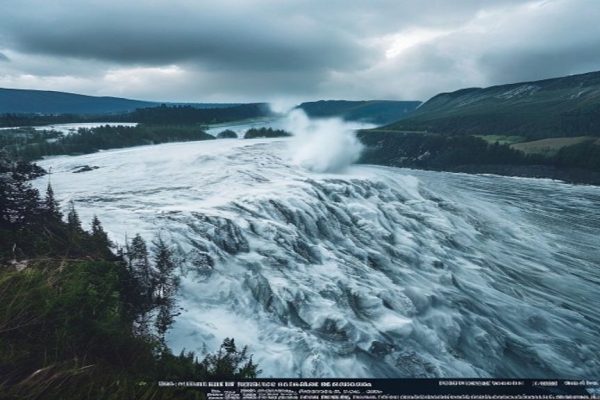
Massive Landslide Strikes Alaska’s Tracy Arm Fjord, Triggering Tsunami Warnings
On the morning of August 10, 2025, a catastrophic landslide struck Alaska’s Tracy Arm fjord, a breathtaking and popular destination for many cruise lines. The landslide, which measuring 1,578 feet tall (481 meters), sent shockwaves across the region, triggering tsunami warnings and leaving a trail of devastation in its wake.
The Tracy Arm fjord, known for its majestic glaciers and stunning natural beauty, is a favorite among tourists and cruise passengers. However, the recent landslide has raised concerns about the safety of the region and the potential risks to the cruise industry. The incident has sparked a renewed debate about the impact of climate change on the world’s most vulnerable ecosystems.
Background and Context
The Tracy Arm fjord is a narrow, glacier-carved waterway that stretches for approximately 30 miles (48 kilometers). The fjord is flanked by towering cliffs and steep mountains, making it prone to landslides and rockfalls. In recent years, the region has experienced an increase in seismic activity, which has raised concerns about the stability of the terrain.
The landslide, which occurred at approximately 9:00 AM local time, was triggered by a combination of factors, including heavy rainfall, melting glaciers, and the region’s unique geology. The sheer scale of the landslide was unprecedented, with some reports suggesting that it may have been the largest in the region’s recorded history.
Impact on Cruise Industry
The landslide has sent shockwaves through the cruise industry, with many tour operators and cruise lines scrambling to assess the damage and determine the feasibility of future operations in the region. The incident has raised concerns about the safety of passengers and crew, as well as the potential economic impact on local communities.
Cruise lines have been quick to react, with some issuing statements assuring passengers that their safety is paramount. However, the incident has also sparked a wider debate about the sustainability of the cruise industry in the face of climate change. As the world’s oceans continue to warm, the risks associated with cruise travel are becoming increasingly apparent.
Some of the key points to consider include:
- The Tracy Arm fjord is a fragile and vulnerable ecosystem, susceptible to the impacts of climate change.
- The landslide highlights the need for greater investment in disaster preparedness and response measures.
- The incident has raised concerns about the safety of passengers and crew, as well as the potential economic impact on local communities.
- The cruise industry must take a more proactive approach to addressing the risks associated with climate change.
Future Implications
The landslide in Alaska’s Tracy Arm fjord has far-reaching implications for the cruise industry and the wider community. As the world’s oceans continue to warm, the risks associated with cruise travel will only continue to grow. It is imperative that the industry takes a more proactive approach to addressing these risks, investing in disaster preparedness and response measures, and prioritizing the safety of passengers and crew.
The incident also highlights the need for greater investment in climate change research and mitigation efforts. By working together, we can reduce the risks associated with climate change and ensure a safer, more sustainable future for all.
The landslide in Alaska’s Tracy Arm fjord is a stark reminder of the power and unpredictability of nature. As we move forward, it is essential that we prioritize the safety of our communities and the protection of our natural resources.






Leave a Reply