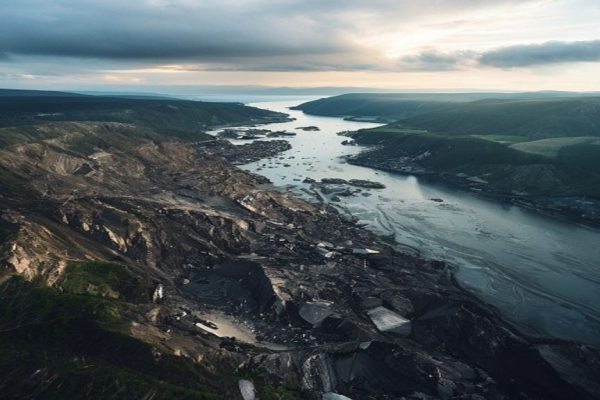
Massive Landslide Strikes Alaska’s Tracy Arm Fjord, Wreaking Havoc on Cruise Industry
The morning of August 10, 2025, will be etched in the memories of those who witnessed the devastating landslide that struck Alaska’s Tracy Arm fjord. A region renowned for its breathtaking scenery and diverse wildlife, the fjord has long been a coveted destination for many cruise lines. However, on this fateful day, the tranquility of the fjord was shattered by a colossal landslide that triggered a massive avalanche, measuring 1,578 feet tall.
The disaster has sent shockwaves throughout the cruise industry, with many tour operators and travel agencies expressing concern over the safety and feasibility of future voyages to the affected area. The landslide’s sheer scale and ferocity have left experts scrambling to comprehend the full extent of the damage and potential hazards it poses.
Background and Context: The Geology of Tracy Arm Fjord
Tracy Arm Fjord is a narrow, 30-mile-long (48-kilometer-long) fjord located in the Tongass National Forest, near Juneau, Alaska. The region’s unique geology is characterized by steep cliffs, towering glaciers, and an intricate network of waterways. The fjord’s terrain is comprised of ancient rock formations, which over time, have been shaped by the relentless forces of glacial erosion.
The area’s geological instability is further compounded by the presence of numerous faults and fractures, which have been identified by geologists as potential triggers for landslides. Despite these factors, the fjord has long been a popular destination for tourists and scientists alike, drawn by its unparalleled natural beauty and scientific significance.
Reasons Behind the Catastrophic Landslide: Contributing Factors
Experts point to a combination of factors that may have contributed to the catastrophic landslide. These include:
-
Increased precipitation and glacial melt: Rising global temperatures have led to increased precipitation and accelerated glacial melt in the region, placing additional stress on the fjord’s already precarious geology.
-
Ground subsidence: The area’s geology is characterized by a high degree of ground subsidence, which can lead to the collapse of rock formations and trigger landslides.
-
Human activity: The increasing number of tourists and cruise ships visiting the fjord has raised concerns about the potential impact of human activity on the region’s delicate ecosystem and geology.
While it is impossible to pinpoint a single cause for the landslide, it is clear that a combination of these factors has created a perfect storm of instability in the region.
Future Implications: A New Era of Environmental Awareness
The devastating landslide has sent a stark reminder of the importance of environmental stewardship and the need for responsible tourism practices. As the world grapples with the challenges of climate change, the Tracy Arm fjord disaster serves as a poignant reminder of the delicate balance between human activity and the natural world.
The long-term consequences of this disaster are still unfolding, but one thing is certain – the cruise industry and tourists alike will need to reassess their approach to visiting such sensitive regions. By adopting more sustainable practices and prioritizing environmental awareness, we can work towards mitigating the impact of human activity on our planet’s most precious ecosystems.
The people of Alaska and the global community will continue to monitor the situation, as the full extent of the damage and the long-term effects of this disaster become clear. One thing is certain – the Tracy Arm fjord will never be seen in the same light again.
The landslide has also raised questions about the resilience of our planet’s natural systems and the need for more effective disaster preparedness and response measures. As we navigate this new era of environmental awareness, it is essential that we prioritize the protection of our planet’s most vulnerable ecosystems and work towards a more sustainable future.
Acknowledging the gravity of this disaster, the Alaskan government and international authorities have pledged to provide support to the affected communities and work towards mitigating the impact of future disasters. The road to recovery will be long and arduous, but with collective effort and a renewed commitment to environmental stewardship, we can build a more resilient and sustainable future for generations to come.






Leave a Reply