Alaska’s Tracy Arm Fjord Devastated by Massive Landslide: Cruise Industry in Jeopardy
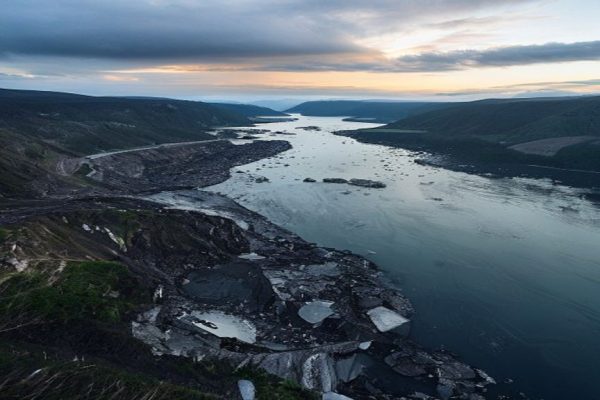
The early morning hours of August 10, 2025, witnessed a catastrophic event in Alaska’s Tracy Arm fjord, a breathtaking and picturesque destination for numerous cruise lines. A massive landslide, measuring over 1,578 feet in height, brought destruction and chaos to the region, leaving the cruise industry reeling in its aftermath.
Background and Context
The Tracy Arm fjord, located near the Tongass National Forest, is renowned for its majestic scenery and diverse wildlife, making it a prime destination for cruise enthusiasts. With its pristine glaciers, towering cliffs, and serene waters, it is not surprising that the fjord attracts thousands of tourists every year. However, the recent landslide has raised concerns about the safety and sustainability of this popular tourist attraction.
According to experts, the landslide was triggered by a combination of geological and environmental factors. The region has experienced increased temperatures and precipitation in recent years, leading to a weakening of the rock formations. Additionally, the presence of sea ice has contributed to the instability of the terrain, creating an environment ripe for catastrophic events.
Impact on the Cruise Industry
The massive landslide has sent shockwaves throughout the cruise industry, with many tour operators and cruise lines scrambling to assess the situation and determine the extent of the damage. The fjord’s popularity, combined with the devastating impact of the landslide, has raised concerns about the long-term viability of the region as a tourist destination.
Cruise companies such as Norwegian Cruise Line, Royal Caribbean, and Holland America Line have issued statements assuring passengers that they are working closely with local authorities to determine the best course of action. However, many have expressed concerns about the potential for future landslides and the impact on the region’s fragile ecosystem.
Industry experts predict that the landslide will have a significant impact on the cruise industry, with many tour operators and cruise lines potentially revising their itineraries to avoid the affected area. This could lead to a decline in revenue and a loss of business for companies that rely heavily on the Tracy Arm fjord as a key destination.
Future Implications and Challenges
The Tracy Arm landslide serves as a stark reminder of the importance of responsible tourism and the need for sustainable practices in the cruise industry. As the world grapples with the challenges of climate change, it is essential that companies and governments work together to mitigate the risks associated with natural disasters.
The landslide has also raised questions about the long-term viability of the region as a tourist destination. While the fjord’s natural beauty and unique attractions will undoubtedly remain, the risks associated with landslides and other environmental factors must be carefully weighed against the potential benefits of tourism.
In the coming weeks and months, it is likely that the cruise industry will face significant challenges as they navigate the aftermath of the landslide. However, this disaster also presents an opportunity for companies and governments to work together to develop more sustainable and responsible tourism practices that prioritize the protection of the environment and the well-being of local communities.
- Key points:
- The landslide has raised concerns about the safety and sustainability of the Tracy Arm fjord as a tourist destination.
- The cruise industry is likely to face significant challenges in the coming weeks and months as they navigate the aftermath of the landslide.
- The disaster presents an opportunity for companies and governments to work together to develop more sustainable and responsible tourism practices.
Image Prompt: A dramatic image of the Tracy Arm landslide, with a massive wall of water cascading down the fjord’s rocky cliffs, surrounded by debris and destruction. The image should capture the sheer scale and power of the natural disaster, while also highlighting the importance of responsible tourism and the need for sustainable practices in the cruise industry.






Leave a Reply