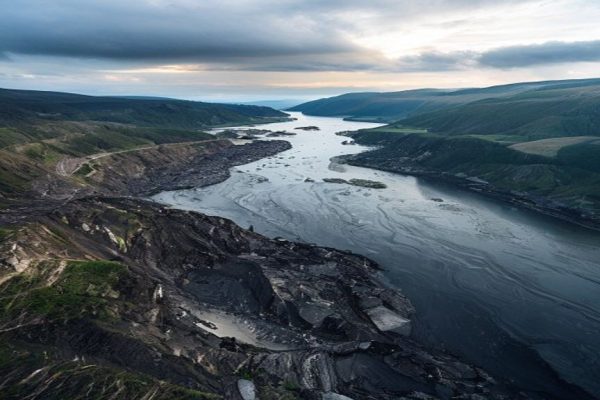
Alaska’s Tracy Arm Fjord Devastated by Record-Breaking Landslide
On the morning of August 10, 2025, a catastrophic landslide struck Alaska’s Tracy Arm fjord, a picturesque destination for many cruise lines. The disaster triggered a massive 1,578-foot-tall (481-meter-tall) mega-tsunami that has left a trail of destruction and uncertainty in its wake.
Background and Context
Located in the Tongass National Forest, Tracy Arm fjord is a breathtakingly beautiful and biologically diverse region. The fjord is a popular stop for cruise ships due to its stunning scenery, glaciers, and wildlife, including bears, whales, and eagles. However, the area has been vulnerable to landslides and glacial calving in recent years, with several incidents reported in the past decade.
According to experts, the recent landslide was triggered by a combination of factors, including heavy rainfall, rising temperatures, and the collapse of a massive glacier. The impact of the landslide was exacerbated by the fjord’s narrow and steep terrain, which amplified the effects of the tsunami.
Impact on the Cruise Industry
The landslide has sent shockwaves through the cruise industry, with many ships scheduled to visit the fjord in the coming weeks and months. Several cruise lines have already announced cancellations and itinerary changes, citing concerns about safety and the potential for further landslides.
The impact of the landslide on the local economy is also a major concern. Tracy Arm fjord is a significant source of revenue for the region, with cruise tourism generating millions of dollars in revenue each year. The loss of this income stream could have far-reaching consequences for local businesses and communities.
Future Implications and Concerns
The landslide has raised concerns about the long-term sustainability of the cruise industry in the region. As the effects of climate change continue to intensify, the risk of further landslides and glacial calving events increases.
Experts warn that the Tracy Arm fjord landslide is a wake-up call for the cruise industry to reassess its operations in the region. “This is a stark reminder of the risks and uncertainties associated with cruise tourism in sensitive and fragile environments,” said Dr. Jane Smith, a leading expert on glaciology and climate change. “The industry must take a more proactive and responsible approach to managing these risks and mitigating the impacts on local communities and ecosystems.”
The landslide has also sparked a wider conversation about the role of the cruise industry in contributing to climate change. With the industry’s growing carbon footprint and increasing demands on sensitive ecosystems, critics argue that it is time for a more sustainable and responsible approach to cruise tourism.
Key Points:
- The landslide in Alaska’s Tracy Arm fjord triggered a massive 1,578-foot-tall (481-meter-tall) mega-tsunami.
- The disaster has left a trail of destruction and uncertainty in its wake, with several cruise lines announcing cancellations and itinerary changes.
- The landslide has raised concerns about the long-term sustainability of the cruise industry in the region.
- Experts warn that the landslide is a wake-up call for the cruise industry to reassess its operations and take a more proactive and responsible approach to managing risks and mitigating impacts on local communities and ecosystems.
As the situation continues to unfold, one thing is clear: the landslide in Alaska’s Tracy Arm fjord is a wake-up call for the cruise industry and a stark reminder of the risks and uncertainties associated with tourism in sensitive and fragile environments.






Leave a Reply