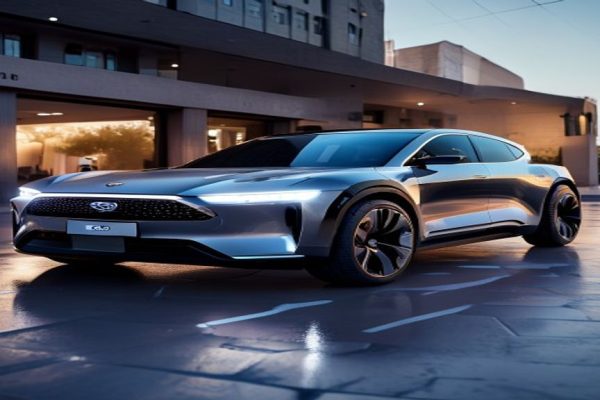
Revolutionizing the Electric Vehicle Market
In a groundbreaking move, Ford Motor Company has successfully cracked the code on creating affordable electric vehicles (EVs). The automaker has been experimenting with various designs and architectures to make EVs more accessible to the masses, and their efforts have finally paid off. According to sources, Ford is utilizing unibody designs, zonal architecture, and shorter wiring harnesses to achieve their goal.
What is Unibody Design?
Unibody design is a manufacturing technique where the body and chassis of a vehicle are built as a single unit. This approach eliminates the need for a separate frame, reducing weight and increasing structural integrity. By adopting unibody design, Ford aims to minimize production costs and enhance the overall driving experience of their EVs.
The Benefits of Zonal Architecture
Zonal architecture is another key component of Ford’s EV strategy. This approach involves dividing the vehicle’s electrical system into separate zones, each with its own dedicated circuitry. This design enables faster charging, improved reliability, and reduced complexity, making EVs more efficient and user-friendly.
Shorter Wiring Harnesses: A Game-Changer
Shorter wiring harnesses are another innovation that Ford is incorporating into their EV design. By reducing the length of the wiring, the company aims to minimize electrical losses and improve overall efficiency. This design also reduces the weight of the vehicle, contributing to a more sustainable and environmentally friendly driving experience.
The Future of Electric Vehicles
Ford’s innovative approach to EV design has the potential to revolutionize the electric vehicle market. With affordable EVs becoming a reality, more consumers will be encouraged to switch to electric vehicles, reducing greenhouse gas emissions and contributing to a cleaner environment. As the demand for EVs continues to grow, Ford’s strategy will likely influence other manufacturers to adopt similar approaches, driving the industry towards a more sustainable future.
Key Points:
- Ford Motor Company has cracked the code on creating affordable electric vehicles (EVs).
- The company is utilizing unibody designs, zonal architecture, and shorter wiring harnesses to achieve their goal.
- Unibody design eliminates the need for a separate frame, reducing weight and increasing structural integrity.
- Zonal architecture enables faster charging, improved reliability, and reduced complexity.
- Shorter wiring harnesses minimize electrical losses and improve overall efficiency.
In conclusion, Ford’s innovative approach to EV design has the potential to transform the electric vehicle market. With affordable EVs becoming a reality, the company is poised to lead the industry towards a more sustainable future.
Industry Response
The automotive industry has been closely watching Ford’s progress in the EV market. While other manufacturers have been slow to adopt similar approaches, Ford’s innovations have sparked a renewed interest in affordable EVs. Industry experts predict that Ford’s strategy will drive the industry towards more sustainable and environmentally friendly designs, paving the way for a greener future.
What’s Next?
As Ford continues to refine their EV design, consumers can expect to see more affordable and efficient electric vehicles on the market. The company’s innovative approach has set a new standard for the industry, and it will be interesting to see how other manufacturers respond. With the demand for EVs continuing to grow, Ford’s strategy will play a crucial role in shaping the future of the automotive industry.






Leave a Reply