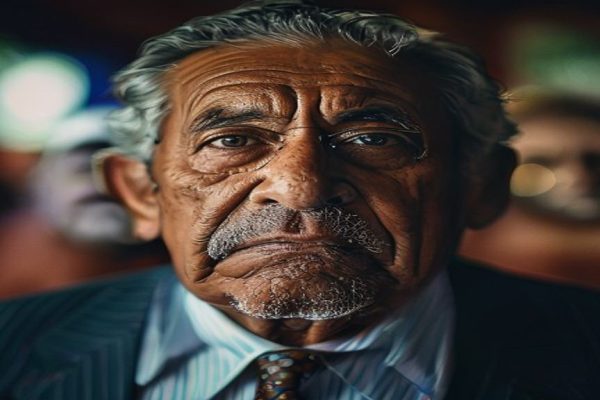
A Rise in Unpopularity Among Latin America’s Leaders
In a concerning trend, several prominent leaders in Latin America have seen a significant decline in their popularity ratings. This phenomenon is not limited to one country but is a widespread issue affecting various nations in the region. While some leaders have managed to sustain their popularity, others have seen a sharp decline in public support.
Context and Reasons Behind the Decline
The decline in popularity can be attributed to various factors, including economic instability, corruption, and poor governance. Many Latin American countries have been grappling with economic challenges, including high inflation, poverty, and unemployment. These issues have taken a toll on the public’s perception of their leaders, leading to a significant drop in their popularity ratings.
Corruption is another major factor contributing to the decline in popularity. Several high-profile corruption scandals have rocked the region in recent years, leading to widespread discontent among the public. The perception of corruption and cronyism has further eroded trust in the government and its leaders.
Poor governance is also a significant factor. Many Latin American countries have struggled with inefficient and ineffective governance, leading to a lack of trust in the government’s ability to address the region’s pressing issues.
Impact on Regional Politics and Future Implications
The decline in popularity among Latin America’s leaders has significant implications for regional politics. It has led to increased unrest and protests, with many citizens demanding change and calling for the resignation of their leaders.
The crisis has also led to a rise in opposition parties and movements. Many citizens are looking for alternative leaders who can address the region’s pressing issues and provide effective governance. This shift in public opinion has the potential to alter the political landscape in the region.
In the long term, the decline in popularity among Latin America’s leaders could have significant implications for the region’s economic and social development. If the current trend continues, it could lead to a loss of investor confidence, a decline in economic growth, and increased social unrest.
However, it’s not all doom and gloom. The decline in popularity also presents an opportunity for leaders to reassess their policies and make necessary changes to address the region’s pressing issues. By listening to their citizens and working towards effective governance, leaders can regain the trust and confidence of their people.
Key Points:
- Economic instability, corruption, and poor governance are major factors contributing to the decline in popularity.
- The crisis has led to increased unrest and protests, with many citizens demanding change.
- The rise in opposition parties and movements could alter the regional political landscape.
- The decline in popularity has significant implications for the region’s economic and social development.
What’s Next?
The future implications of this crisis are uncertain, and only time will tell how it will play out. However, one thing is clear: the people of Latin America demand change and effective governance. It’s up to the leaders to listen to their citizens and work towards creating a brighter future for the region.
As the situation continues to unfold, it’s essential to monitor the developments and understand the full extent of the crisis. By doing so, we can better understand the complexities of the issue and identify potential solutions to address the region’s pressing challenges.






Leave a Reply