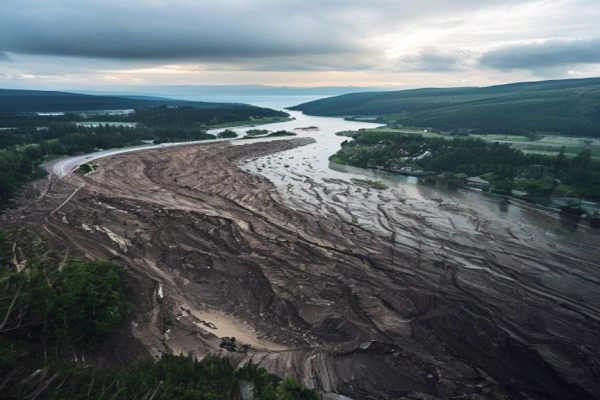
Tracy Arm Landslide Triggers Tsunami-Like Waves, Wreaks Havoc on Alaska’s Fjord
On the morning of August 10, 2025, a massive landslide struck Alaska’s Tracy Arm fjord, a popular destination for many cruise lines. The landslide triggered a 1,578-foot-tall (481-meter-tall) mega-tsunami-like wave that ravaged the fjord, causing widespread destruction and chaos.
Background and Context
The Tracy Arm fjord is a narrow, glacier-carved waterway located in the Tongass National Forest, approximately 50 miles (80 kilometers) northwest of Juneau, Alaska. The fjord is known for its breathtaking scenery, with towering mountains, glaciers, and abundant wildlife. It has become a sought-after destination for cruise ships and adventure seekers, with thousands of tourists visiting the area each year.
However, the fjord’s remote location and harsh climate make it prone to natural disasters, including landslides and earthquakes. In recent years, the area has experienced a series of significant landslides, which have raised concerns about the safety of the fjord and its inhabitants.
Reasons Behind the Landslide
According to geologists and experts, the landslide was triggered by a combination of factors, including heavy rainfall, melting glaciers, and unstable rock formations. The area has experienced an unusual amount of rainfall in recent weeks, which has caused the glaciers to melt at an alarming rate. This, in turn, has put pressure on the surrounding rock formations, leading to the massive landslide.
The landslide was so massive that it created a tsunami-like wave that traveled at speeds of up to 100 miles per hour (160 kilometers per hour), destroying everything in its path. The wave was estimated to be over 1,578 feet (481 meters) tall, making it one of the largest tsunamis ever recorded.
Future Implications and Concerns
The Tracy Arm landslide has raised concerns about the future of Alaska’s tourism industry. The fjord is a major draw for tourists, and any damage to the area could have significant economic and environmental implications. The landslide has also highlighted the need for better preparedness and emergency response measures in the face of natural disasters.
Furthermore, the landslide has raised questions about the long-term sustainability of the fjord’s ecosystem. The area is home to a diverse range of wildlife, including bears, whales, and sea lions. The landslide has disrupted the delicate balance of the ecosystem, and it is unclear how the area will recover.
As the investigation into the landslide continues, scientists and experts will be working to understand the full extent of the damage and to identify ways to mitigate the effects of future disasters. In the meantime, the people of Alaska and the global community will be watching with bated breath as the situation unfolds.
Key Points:
- The Tracy Arm landslide was triggered by a combination of heavy rainfall, melting glaciers, and unstable rock formations.
- The landslide created a tsunami-like wave that traveled at speeds of up to 100 miles per hour.
- The wave was estimated to be over 1,578 feet (481 meters) tall, making it one of the largest tsunamis ever recorded.
- The landslide has raised concerns about the future of Alaska’s tourism industry.
- The landslide has highlighted the need for better preparedness and emergency response measures in the face of natural disasters.
Image Prompt:
An image of a massive landslide striking the Tracy Arm fjord, with a tsunami-like wave crashing against the shore. The image should show the scale of the disaster, with debris and destruction scattered across the fjord. The image should also capture the harsh, rugged beauty of the Alaskan wilderness.






Leave a Reply