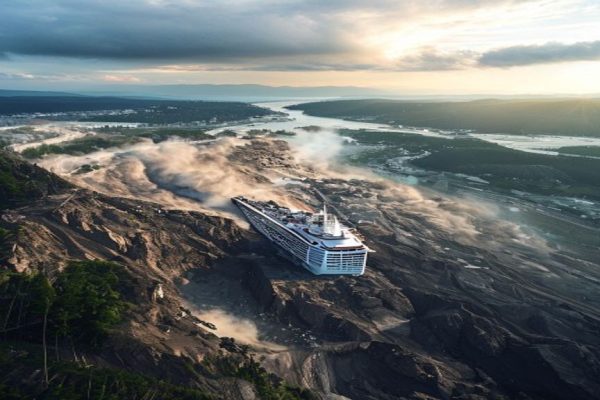
Massive Alaska Landslide Triggers Catastrophic Mega-Tsunami, Wreaking Havoc on Cruise Industry
On the morning of August 10, 2025, a devastating landslide struck Alaska’s Tracy Arm fjord, sending shockwaves throughout the global cruise industry. The landslide, which measured over 1,578 feet in height, triggered a massive tsunami that has left a trail of destruction in its wake, impacting numerous cruise lines and thousands of passengers.
Background: The Tracy Arm Fjord
The Tracy Arm Fjord, located in the Tongass National Forest, is a breathtaking and popular destination for many cruise lines. Known for its stunning glaciers, towering mountains, and pristine waterways, the fjord attracts thousands of tourists each year. However, its remote location and unpredictable weather patterns make it a high-risk area for natural disasters.
According to experts, the Tracy Arm Fjord has experienced several landslides in the past, but the recent event was unprecedented in its scale and severity. The fjord’s unique geology, combined with the intense rainfall and melting glaciers, created a perfect storm that led to the catastrophic landslide.
The Impact: A Disaster for the Cruise Industry
The landslide and subsequent tsunami have sent shockwaves throughout the global cruise industry, with numerous cruise lines affected by the disaster. Several ships were in the area at the time of the landslide, and many passengers were forced to evacuate the fjord immediately. The impact on the industry is still being assessed, but it is clear that the disaster will have far-reaching consequences.
The disaster has raised concerns about the safety of cruise ships in remote areas and the effectiveness of emergency response systems. The incident has also highlighted the need for improved surveillance and monitoring systems to detect early warning signs of natural disasters.
Future Implications: A Call for Action
As the global cruise industry grapples with the aftermath of the disaster, there is a growing call for action to improve safety measures and emergency response protocols. The incident has sparked renewed debate about the environmental impact of tourism in sensitive areas and the need for sustainable practices.
The disaster has also highlighted the importance of investing in advanced technologies, such as satellite imaging and artificial intelligence, to monitor and predict natural disasters. The use of these technologies can help prevent similar disasters in the future and save lives.
The incident serves as a stark reminder of the power of nature and the importance of being prepared for the unexpected. As the world continues to explore and develop remote areas, it is essential to prioritize safety, sustainability, and responsible tourism practices.
Key Points:
- The landslide and tsunami have had a devastating impact on the global cruise industry, with numerous ships affected and thousands of passengers impacted.
- The disaster has raised concerns about the safety of cruise ships in remote areas and the effectiveness of emergency response systems.
- The incident has highlighted the need for improved surveillance and monitoring systems to detect early warning signs of natural disasters.
- The disaster has sparked renewed debate about the environmental impact of tourism in sensitive areas and the need for sustainable practices.
- The use of advanced technologies, such as satellite imaging and artificial intelligence, can help prevent similar disasters in the future and save lives.
Image Prompt:
A dramatic image of the Tracy Arm fjord, with a massive landslide in the background, as a massive tsunami wave crashes against the shore. The image should capture the scale and fury of the disaster, with cruise ships and passengers in the foreground, highlighting the human impact of the tragedy.






Leave a Reply