Background and Context
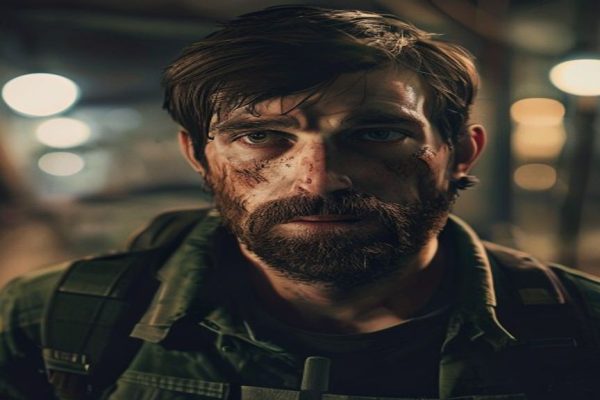
The recent backlash against The Last of Us, a critically acclaimed HBO series, has sparked a heated debate about the viability of video game adaptations in the world of entertainment. However, beneath the surface of this controversy lies a more complex issue – the struggle of video game-based productions to meet the high expectations of both fans and critics.
The State of Video Game Adaptations
Video game adaptations have been a staple of the entertainment industry for decades, with various forms of media, including films and TV series, attempting to bring beloved video game characters to life. However, the track record of these adaptations has been mixed, with some achieving critical and commercial success while others have fallen flat.
One notable example of a successful video game adaptation is the 2022 film, Uncharted, starring Tom Holland and Mark Wahlberg. The movie’s blend of action, humor, and nostalgia resonated with both fans and critics, resulting in a modest box office success. In contrast, the 2016 film, Assassin’s Creed, starring Michael Fassbender, failed to meet expectations, with its convoluted storyline and lack of depth alienating fans.
The Power of Public Outcry
The recent backlash against The Last of Us serves as a prime example of the power of public outcry in shaping the conversation around video game adaptations. The show’s initial mixed reviews and criticism sparked a swift public reaction, with fans and critics alike voicing their opinions on social media and online forums.
This public outcry not only highlights the importance of engaging with the gaming community but also underscores the need for video game adaptations to be faithful to the source material. The Last of Us, based on the critically acclaimed video game of the same name, has been praised for its attention to detail and commitment to the original narrative, which may have contributed to its success.
Future Implications
The future of video game adaptations looks promising, with several high-profile projects in development. The success of The Last of Us and the growing demand for video game-based content suggest that the industry is heading in the right direction.
However, the recent controversy surrounding The Last of Us serves as a reminder that video game adaptations must be made with care and attention to detail. By engaging with the gaming community and staying true to the source material, productions can increase their chances of success and cement their place in the world of entertainment.
Key Points to Consider:
- Video game adaptations have been a staple of the entertainment industry for decades.
- The track record of video game adaptations has been mixed, with some achieving critical and commercial success while others have fallen flat.
- The power of public outcry can shape the conversation around video game adaptations.
- Video game adaptations must be made with care and attention to detail to increase their chances of success.
- The future of video game adaptations looks promising, with several high-profile projects in development.
Why Video Game Adaptations Matter
Video game adaptations matter because they offer a unique opportunity to bring beloved video game characters to life in new and innovative ways. By engaging with the gaming community and staying true to the source material, productions can increase their chances of success and cement their place in the world of entertainment.
The success of The Last of Us and the growing demand for video game-based content suggest that the industry is heading in the right direction. However, the recent controversy surrounding The Last of Us serves as a reminder that video game adaptations must be made with care and attention to detail.






Leave a Reply