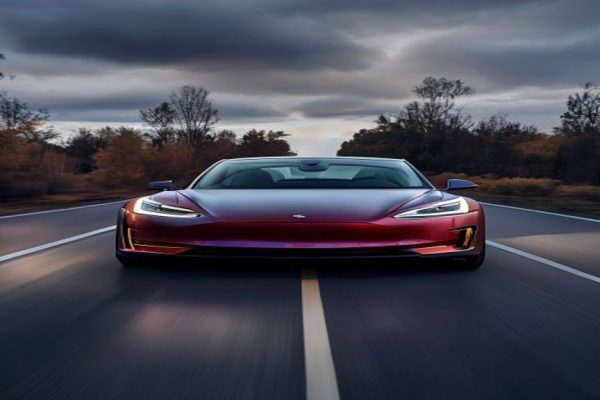
Tesla’s FSD Update Delay: A Setback for HW3 Owners
Tesla’s highly anticipated Full Self-Driving (FSD) update, which promises to bring unsupervised driving capabilities to its vehicles, has been delayed for owners with Hardware (HW) 3. This news has left many Tesla enthusiasts and owners of HW3-equipped vehicles frustrated and wondering what this delay implies for their cars.
Background: What is FSD and HW3?
For those unfamiliar, FSD is Tesla’s advanced driver-assistance system (ADAS) designed to enable semi-autonomous driving capabilities. The system uses a combination of cameras, sensors, and machine learning algorithms to navigate roads and make decisions in real-time. HW3, on the other hand, is the third generation of Tesla’s Autopilot hardware, which is installed in many of its vehicles, including the Model S, Model X, Model 3, and Model Y.
HW3 is a more advanced hardware than its predecessors, HW1 and HW2, and is capable of supporting more advanced features, including FSD. However, Tesla has been gradually rolling out FSD to HW3-equipped vehicles, and the company had promised to bring unsupervised FSD to these vehicles in the near future.
The Delay: What’s Behind It?
While Tesla hasn’t explicitly stated the reasons behind the delay, several factors could be contributing to the hold-up. One possible reason is the complexity of FSD and the need for extensive testing and validation. FSD is a highly advanced system that requires a significant amount of data and testing to ensure its safety and reliability.
Another possible reason is the regulatory environment. FSD is a highly regulated technology, and Tesla may be facing challenges in obtaining the necessary approvals and certifications from regulatory bodies before rolling it out to the public. Additionally, the company may be facing pressure from investors and shareholders to ensure that FSD is safe and reliable before releasing it to the public.
What This Means for HW3 Owners
For HW3 owners, the delay of FSD is a mixed bag. On the one hand, they will have to wait longer to access the advanced features and capabilities that FSD promises to bring. On the other hand, the delay may indicate that Tesla is taking a more cautious approach to rolling out FSD, which could ultimately lead to a safer and more reliable system.
While there is no official word on when FSD will be available to HW3 owners, Tesla has promised to provide regular updates on the status of the feature. In the meantime, HW3 owners will have to continue relying on the company’s current Autopilot features, which, while advanced, are not as sophisticated as FSD.
Future Implications: What’s Next for Tesla?
The delay of FSD raises several questions about Tesla’s future plans and priorities. Will the company stick to its original timeline for rolling out FSD, or will it need to push back the release date further? How will the delay impact Tesla’s relationships with investors and regulators? And what does the delay say about the company’s commitment to delivering on its ambitious promises?
These are questions that only time will answer. However, one thing is certain: the delay of FSD is a significant setback for HW3 owners and a reminder of the complexity and challenges involved in developing and deploying advanced technologies like FSD.
Key Takeaways:
- Tesla’s FSD update, which promises to bring unsupervised driving capabilities to its vehicles, has been delayed for owners with HW3.
- The delay is likely due to the complexity of FSD and the need for extensive testing and validation.
- HW3 owners will have to wait longer to access the advanced features and capabilities that FSD promises to bring.
- Tesla has promised to provide regular updates on the status of FSD.






Leave a Reply