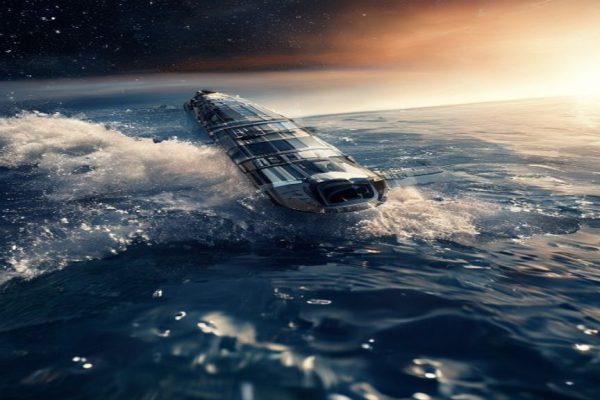
Revolutionizing Space Travel: The Concept of Water-Based Propulsion
Humanity’s eternal quest for exploration has led us to the edge of the solar system, with ambitious plans to venture further into the vast expanse of space. One crucial aspect of these plans is the ability to utilize basic resources, such as water, to propel rockets to farther destinations. This innovative approach has been gaining momentum in recent years, with scientists and engineers working tirelessly to make water-based propulsion a reality.
The concept of using water as a propellant may seem unfathomable, but it’s rooted in the basic principles of physics and chemistry. Water, when subjected to high temperatures and pressures, can be converted into a highly energetic and efficient propellant. This process, known as the electrolysis of water, has been successfully demonstrated in laboratory settings, with promising results.
Key Benefits of Water-Based Propulsion
- Abundant Resource: Water is widely available in space, making it an ideal propellant for long-duration missions.
- High Energy Density: Water can be converted into a highly energetic propellant, rivaling the performance of traditional rocket fuels.
- Reduced Environmental Impact: Water-based propulsion eliminates the need for toxic and polluting fuels, making it a cleaner and more sustainable option.
- Increased Fuel Efficiency: The high energy density of water-based propulsion enables more efficient fuel usage, reducing the overall mass of the spacecraft.
Overcoming the Challenges
While the concept of water-based propulsion holds immense promise, there are several challenges that need to be addressed before it can be deployed in real-world applications. These include:
1. Scalability: The current technology is limited to small-scale laboratory settings, and scaling up the process to accommodate larger spacecraft is a significant challenge.
2. Energy Requirements: The electrolysis of water requires a significant amount of energy, which can be a major hurdle in deep-space missions where power generation is limited.
3. Materials Science: The development of materials that can withstand the high temperatures and pressures involved in the water-based propulsion process is an ongoing area of research.
The Future of Space Exploration
The potential of water-based propulsion to revolutionize space travel cannot be overstated. With the ability to utilize basic resources, such as water, to propel rockets to farther destinations, the possibilities for deep-space exploration become endless. As scientists and engineers continue to push the boundaries of this technology, we can expect to see significant advancements in the coming years.
From establishing a human presence on the Moon and Mars to venturing further into the solar system, water-based propulsion has the potential to be a game-changer for space travel. As we continue to explore the vast expanse of space, it’s exciting to think about the possibilities that this technology may unlock.
As researchers and engineers work tirelessly to overcome the challenges associated with water-based propulsion, we can expect to see significant advancements in the coming years. With the potential to revolutionize space travel, the future of deep-space exploration has never looked brighter.
The success of water-based propulsion will not only pave the way for more efficient and sustainable space travel but also open up new opportunities for space-based industries, such as asteroid mining and space-based manufacturing.
As we embark on this new era of space exploration, it’s essential to continue investing in research and development to ensure that the benefits of water-based propulsion are realized.






Leave a Reply