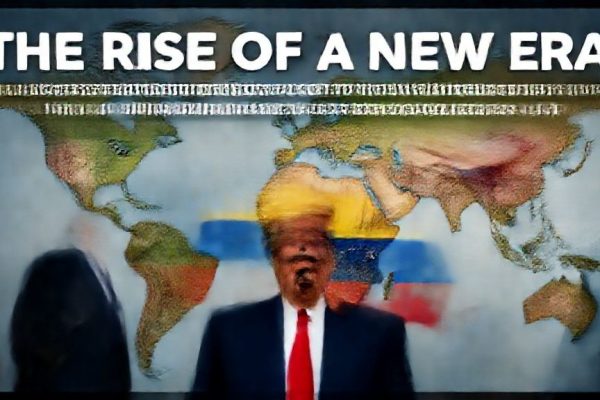
A New Era of Global Politics Takes Shape
Donald Trump’s alleged capture of Venezuelan President Nicolás Maduro has sent shockwaves across the globe, leaving many to wonder what has caused this shift in global politics. For over a year, the world has been witnessing a significant change in the way nations interact and exercise power. The rise of authoritarian regimes, the resurgence of nationalism, and the increasing role of technology in international relations have all contributed to this new era.
The Background: A Perfect Storm of Global Events
The year 2022 marked a turning point in global politics, with several events converging to create a perfect storm. The COVID-19 pandemic had a profound impact on economies and societies worldwide, exposing weaknesses in global governance and creating opportunities for authoritarian leaders to consolidate power. The war in Ukraine, the growing tensions between China and the United States, and the increasing polarization of democratic societies have all contributed to a sense of uncertainty and instability.
The rise of nationalism and populist movements has also played a significant role in shaping this new era. Leaders like Trump, Jair Bolsonaro in Brazil, and Viktor Orbán in Hungary have leveraged anti-establishment sentiment and xenophobia to gain power and popularity. This has led to a decline in international cooperation and a rise in protectionism, making it increasingly difficult for nations to work together to address common challenges.
The Role of Technology in Global Politics
Technology has also played a significant role in shaping this new era. Social media platforms have enabled authoritarian leaders to disseminate propaganda and manipulate public opinion, while encrypted communication channels have facilitated the spread of extremist ideologies. The increasing use of artificial intelligence, cybersecurity threats, and online disinformation have also created new challenges for governments and international institutions.
However, technology has also provided new opportunities for global cooperation. The rise of digital diplomacy has enabled nations to engage in more direct and effective communication, while the use of big data and analytics has improved the detection of cybersecurity threats and the tracking of pandemics.
Where Does This Leave Us?
The capture of Nicolás Maduro by Donald Trump marks a significant turning point in global politics, but it also raises more questions than answers. What does this mean for the future of international relations? Will this new era be characterized by increased conflict and competition, or will it bring about new opportunities for cooperation and collaboration? Only time will tell.
However, one thing is clear: the world has changed, and it is up to nations and international institutions to adapt and evolve in response. By understanding the causes and consequences of this shift, we can better navigate the complexities of global politics and work towards a more stable and prosperous future.
Key points to consider:
- The rise of authoritarian regimes and nationalism has led to a decline in international cooperation and a rise in protectionism.
- Technology has played a significant role in shaping this new era, enabling authoritarian leaders to manipulate public opinion and creating new challenges for governments and international institutions.
- The capture of Nicolás Maduro by Donald Trump marks a significant turning point in global politics, but it also raises more questions than answers.
- Nations and international institutions must adapt and evolve in response to this shift, by understanding the causes and consequences of this change.
Image prompt: An AI-generated image of a world map with a red pin marking a new era of global politics, surrounded by images of authoritarian leaders, nationalist movements, and technological advancements.





Leave a Reply