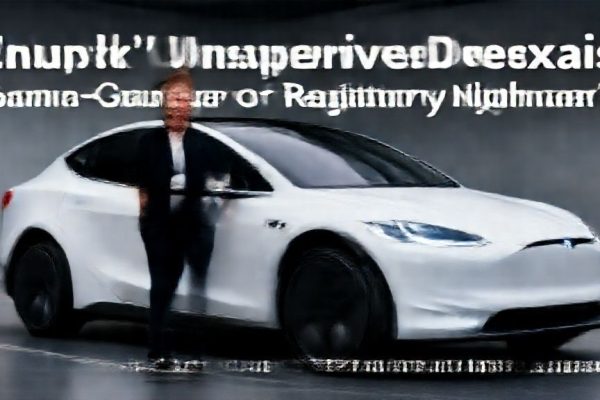
Elon Musk’s Ambitious Move into Autonomous Transportation
Elon Musk, the visionary entrepreneur behind Tesla, has reached a significant milestone in the development of unsupervised robotaxis. This achievement marks a crucial step towards the widespread adoption of autonomous transportation, which could revolutionize the way we travel. However, the implications of this innovation are far-reaching, and its impact on society will depend on various factors, including regulatory frameworks and public acceptance.
The Technological Breakthrough
Tesla’s unsupervised robotaxis are powered by the company’s advanced Autopilot technology, which enables vehicles to navigate complex road scenarios without human intervention. This breakthrough has been made possible through the integration of sophisticated computer vision, machine learning algorithms, and sensor systems. While the technology is still in its experimental phase, Musk’s team has demonstrated impressive results in test environments, paving the way for the widespread deployment of robotaxis.
The Regulatory Landscape
The introduction of unsupervised robotaxis raises significant regulatory concerns. Governments and regulatory bodies must navigate the complex issues surrounding autonomous vehicles, including liability, safety, and public acceptance. In the United States, the National Highway Traffic Safety Administration (NHTSA) has been working to establish guidelines for the development and deployment of autonomous vehicles. However, the regulatory framework is still evolving, and it remains to be seen how governments will address the challenges posed by robotaxis.
Public Acceptance and Safety Concerns
The success of unsupervised robotaxis will also depend on public acceptance and safety concerns. While some people may welcome the idea of robotaxis as a convenient and efficient mode of transportation, others may be hesitant due to concerns about safety and job displacement. Tesla’s Autopilot system has faced criticism in the past for its limitations and occasional failures, which may dampen public enthusiasm for robotaxis. Moreover, the lack of human oversight in unsupervised robotaxis raises concerns about the potential for accidents and liability.
Key Points to Consider
- Tesla’s unsupervised robotaxis mark a significant milestone in the development of autonomous transportation.
- The technological breakthrough is driven by advanced Autopilot technology, including computer vision, machine learning algorithms, and sensor systems.
- Regulatory frameworks must be established to address the complex issues surrounding autonomous vehicles, including liability, safety, and public acceptance.
- Public acceptance and safety concerns will be crucial in determining the success of unsupervised robotaxis.
Future Implications
The widespread adoption of unsupervised robotaxis could have far-reaching implications for the transportation industry, including job displacement, changes in urban planning, and new business opportunities. While the technology holds promise, it also raises significant challenges, and its impact on society will depend on how governments, regulators, and the public respond to its development.
Conclusion
Elon Musk’s unsupervised robotaxis represent a game-changing innovation in the transportation industry. However, the road ahead is fraught with challenges, including regulatory hurdles, public acceptance, and safety concerns. As the industry continues to evolve, it is essential to address these issues and establish a framework for the responsible development and deployment of autonomous vehicles.





Leave a Reply