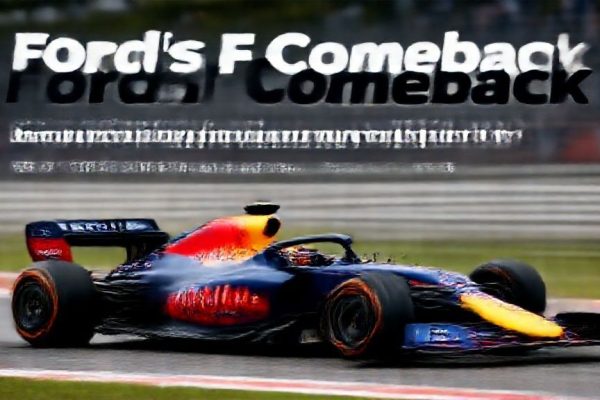
Ford’s Return to Formula 1: A Strategic Move
Ford’s decision to reenter the Formula 1 (F1) racing scene has sent shockwaves throughout the motorsport community. The iconic American automaker’s return to F1 is not just a nostalgic nod to its past glories but a calculated move to tap into the cutting-edge technology and global exposure that the sport offers. The company’s CEO, Jim Farley, has emphasized the importance of this move, stating that developing the Red Bull F1 engine taught him valuable lessons about competing in the software industry, particularly against Chinese companies.
The Importance of F1 Technology in the Automotive Sector
Formula 1 is renowned for its high-performance technology, which often trickles down to the production cars of its participating manufacturers. The sport’s emphasis on innovation, coupled with the intense competition, drives the development of advanced materials, aerodynamics, and engine technologies. Ford’s involvement in F1 will enable the company to leverage this expertise and stay at the forefront of automotive technology.
The collaboration with Red Bull Racing, in particular, is significant. The Austrian team’s impressive performance in recent years has been driven by its strong engine program, which is based on the Red Bull Powertrains (RBPT) power unit. Ford will be designing and developing this engine, gaining access to the team’s expertise and resources. This partnership will not only enhance Ford’s F1 performance but also provide a platform for the company to explore the application of F1 technology in its production vehicles.
Lessons from the China Software Battle
Jim Farley’s comments about the lessons he learned from developing the Red Bull F1 engine are intriguing. The CEO’s experience in the software industry, particularly in competing with Chinese companies, is likely to have shaped his perspective on the importance of technology and innovation in the automotive sector. China’s rapid rise to prominence in the tech industry has been well-documented, with companies like Huawei, Alibaba, and Tencent dominating various markets. Ford’s experience in competing with Chinese software companies will have taught the company the importance of investing in research and development, staying agile, and adapting to changing market conditions.
In the context of F1, these lessons are particularly relevant. The sport is undergoing a significant transformation, with the introduction of new engine regulations, increased focus on sustainability, and evolving fan engagement strategies. Ford’s involvement in F1 will require the company to stay at the forefront of technological innovation, while also navigating the complex web of regulations and partnerships that define the sport.
The Future of Ford in F1
Ford’s return to F1 is a strategic move that will have far-reaching implications for the company. The collaboration with Red Bull Racing will provide a platform for the company to showcase its technical expertise and stay competitive in the automotive sector. The lessons learned from competing with Chinese software companies will also inform Ford’s approach to F1, emphasizing the importance of innovation, agility, and adaptability.
As the automotive industry continues to evolve, with the rise of electric vehicles, autonomous driving, and connected mobility, Ford’s involvement in F1 will position the company as a leader in the sector. The sport’s global reach and exposure will provide Ford with a unique platform to promote its brand, products, and values, while also driving innovation and growth in the company’s core business.
The success of Ford’s F1 program will depend on various factors, including the team’s performance on the track, the effectiveness of its engine development, and the company’s ability to adapt to the changing landscape of F1. However, with its rich history in motorsports, innovative approach to technology, and strategic partnership with Red Bull Racing, Ford is well-positioned to make a significant impact in the sport.
As the saying goes, “those who don’t adapt will perish.” Ford’s return to F1 is a testament to the company’s commitment to innovation, technology, and performance. With its focus on beating China at the software game, the company is poised to make a lasting impact in the automotive sector and beyond.






Leave a Reply