Introduction
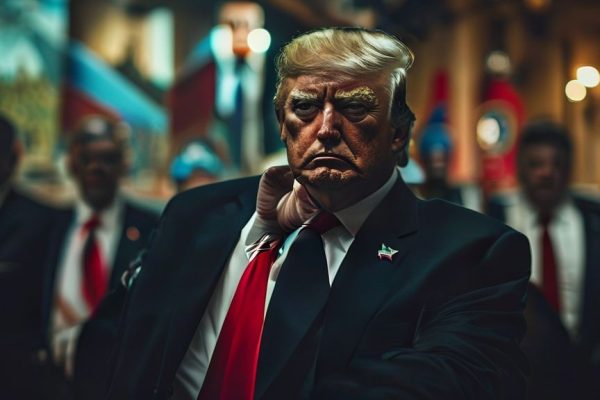
The news of Donald Trump’s capture of Venezuelan President Nicolás Maduro sent shockwaves around the world, leaving many to question what this move signifies for the future of global politics. As we reflect on this pivotal moment, it’s essential to understand the underlying factors that have led to this shift.
The Background: Venezuela and the Rise of Authoritarian Leaders
Venezuela, once a thriving economy, has been plagued by economic mismanagement and corruption under Nicolás Maduro’s leadership. The country’s descent into chaos has been a gradual process, with Maduro’s authoritarian regime clamping down on dissent and opposition. This has led to a massive exodus of Venezuelans fleeing the country in search of better living conditions.
The rise of authoritarian leaders like Maduro in Venezuela is not an isolated incident. In recent years, we’ve seen a surge in similar leaders taking power in various parts of the world. The common thread among these leaders is their disregard for democratic institutions and human rights.
The Role of Social Media and Disinformation
Social media has played a significant role in the rise of authoritarian leaders. Platforms like Twitter and Facebook have been exploited by these leaders to spread disinformation and propaganda, often with devastating consequences. The ability of these leaders to manipulate public opinion and create a cult-like following has been a key factor in their ascent to power.
The lack of regulation and oversight on social media has created an environment where disinformation can spread unchecked. This has led to the erosion of trust in institutions and the rise of populist movements.
The Future Implications
The capture of Nicolás Maduro by Donald Trump marks a new era of global politics, where the traditional rules and norms are being rewritten. This shift has significant implications for international relations, global stability, and the future of democracy.
The rise of authoritarian leaders and the spread of disinformation pose a significant threat to democratic institutions. It’s essential for governments and institutions to take proactive measures to address these challenges and promote transparency, accountability, and democratic values.
Key Takeaways:
- The capture of Nicolás Maduro by Donald Trump marks a new era of global politics.
- The rise of authoritarian leaders is a global phenomenon, with similar leaders taking power in various parts of the world.
- Social media has played a significant role in the rise of authoritarian leaders, through the spread of disinformation and propaganda.
- The lack of regulation and oversight on social media has created an environment where disinformation can spread unchecked.
- It’s essential for governments and institutions to take proactive measures to address the challenges posed by authoritarian leaders and the spread of disinformation.
As we navigate this new era of global politics, it’s essential to remain vigilant and proactive in promoting democratic values, transparency, and accountability.






Leave a Reply