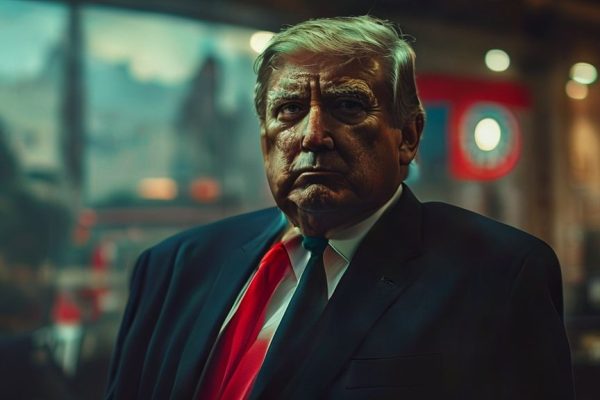
A New Era of Global Politics
The capture of Venezuela’s Nicolás Maduro by Donald Trump, or rather the influence of such an event, feels like a confirmation that the world is entering a new era of global politics. This shift has been years in the making, driven by a combination of factors, including the rise of authoritarian leaders, the decline of traditional alliances, and the increasing influence of emerging powers.
The Rise of Authoritarian Leaders
One of the key drivers of the shift in global politics is the rise of authoritarian leaders. In recent years, there has been a surge in the number of countries with authoritarian governments, from Venezuela to China. These leaders have shown a willingness to challenge the established order and disregard international norms, which has contributed to a sense of instability and unpredictability in global relations.
The rise of authoritarian leaders has also led to a decline in the influence of traditional institutions, such as the United Nations and the European Union. These institutions were once seen as the cornerstone of international cooperation, but they have struggled to adapt to the changing global landscape. As a result, the international community has become increasingly fragmented, with different countries pursuing their own interests and agendas.
The Decline of Traditional Alliances
Another factor contributing to the shift in global politics is the decline of traditional alliances. For decades, countries have relied on alliances with other nations to provide security and stability. However, these alliances have been strained in recent years, particularly with the rise of nationalism and protectionism. The decline of traditional alliances has created a power vacuum, which has been filled by emerging powers, such as China and Russia.
The decline of traditional alliances has also led to a shift in the way countries engage with each other. Gone are the days of multilateralism and cooperation, replaced by a more transactional approach to international relations. Countries are now more likely to pursue their own interests, even if it means going it alone.
The Rise of Emerging Powers
The rise of emerging powers, such as China and Russia, has also contributed to the shift in global politics. These countries have been rapidly growing in economic and military power, and they have become increasingly assertive on the global stage. They have challenged the existing global order and have promoted their own interests, often at the expense of other countries.
The rise of emerging powers has also led to a shift in the way countries interact with each other. Gone are the days of a unipolar world, dominated by the United States. Instead, we are witnessing a multipolar world, where several countries have emerged as major players. This has created a more complex and unpredictable global landscape, where countries must navigate multiple relationships and interests.
Future Implications
The shift in global politics has significant implications for the future of international relations. As countries become increasingly fragmented and assertive, the risk of conflict and instability increases. The rise of emerging powers has also created new challenges for traditional powers, such as the United States, which must adapt to a changing global landscape.
The future of global politics will be shaped by the decisions made by leaders in the coming years. Will they continue down the path of nationalism and protectionism, or will they seek to rebuild international cooperation and institutions? Only time will tell, but one thing is certain: the world is entering a new era of global politics, and it will be shaped by the choices we make.
Key Points
- The capture of Venezuela’s Nicolás Maduro by Donald Trump feels like a confirmation that we are in a new era of global politics.
- The rise of authoritarian leaders has driven a shift in global politics.
- The decline of traditional alliances has created a power vacuum, which has been filled by emerging powers.
- The rise of emerging powers has led to a shift in the way countries interact with each other.
- The future of global politics will be shaped by the decisions made by leaders in the coming years.





Leave a Reply