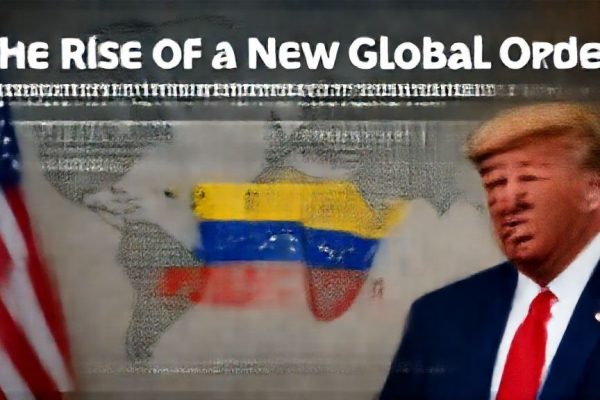
A New Era of Global Politics: Understanding the Shift
The recent deal between the United States and Venezuela, brokered by none other than Donald Trump, has sent shockwaves throughout the global community. This development marks a significant shift in the global order, and it’s not just about the specifics of the deal itself, but rather what it represents: a new era of geopolitics where traditional alliances and norms are being rewritten.
The Rise of Non-Traditional Diplomacy
The success of Donald Trump’s deal with Venezuela is, in part, a testament to the growing influence of non-traditional diplomacy. Gone are the days when international relations were solely the domain of government-to-government interactions. Today, we’re seeing a proliferation of private sector involvement, celebrity endorsements, and even social media influencers playing a role in shaping global affairs.
This trend is not unique to the Trump administration, but it has certainly been amplified by his unorthodox approach to diplomacy. The use of private channels, such as Twitter, has become a hallmark of his foreign policy, and it’s not hard to see why: it allows for a level of direct engagement with world leaders that was previously unimaginable.
The Venezuela Deal: A New Model for Conflict Resolution?
So, what exactly does the Venezuela deal entail, and what does it mean for the future of global politics? At its core, the agreement is a deal between the United States and Venezuela to release two American prisoners in exchange for the release of two Venezuelan nationals. On the surface, it’s a relatively minor development, but scratch beneath the surface, and you’ll find a more complex web of interests and motivations.
- The deal marks a significant shift in the US stance on Venezuela, which has been under intense scrutiny for its human rights record and authoritarian tendencies.
- The involvement of private sector players, including oil executives and entrepreneurs, highlights the growing role of non-state actors in international relations.
- The use of social media as a tool for diplomatic engagement speaks to the changing nature of public diplomacy and the need for governments to adapt to new channels of communication.
The Future of Global Politics: Implications and Concerns
As we move forward in this new era of global politics, it’s essential to consider the implications and concerns surrounding the rise of non-traditional diplomacy and the increasingly complex web of interests and motivations involved. Some potential areas of concern include:
- The blurring of lines between private and public interests, which can lead to conflicts of interest and undermine the integrity of diplomatic efforts.
- The potential for social media to be used as a tool for disinformation and propaganda, which can undermine trust in institutions and governments.
- The increased role of non-state actors in international relations, which can lead to a loss of control and predictability in global affairs.
As we navigate this new landscape, it’s crucial to stay vigilant and adaptable. The rise of non-traditional diplomacy and the increasing complexity of global politics demand a more nuanced understanding of the issues at play. By staying informed and engaging in open dialogue, we can work towards a more stable and equitable global order.
The Venezuela deal may be just the beginning of a new era in global politics, but it’s up to us to shape its course and ensure that it serves the interests of all nations and peoples.





Leave a Reply