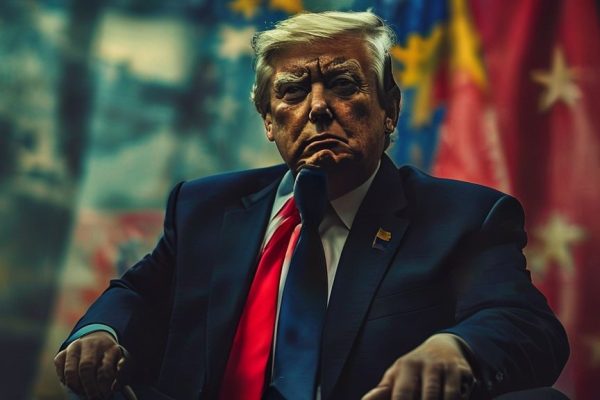
A New Era of Global Politics: The Rise of Authoritarianism
The capture of Venezuelan President Nicolás Maduro, allegedly orchestrated by Donald Trump, marks a significant shift in global politics. This development has sparked widespread debate and raises questions about the motivations behind this move and its implications for the world. At its core, this shift represents a significant departure from the traditional norms of international relations, where diplomacy and cooperation were once the cornerstone of global interactions.
The Rise of Authoritarianism: A Global Phenomenon
The past decade has seen a resurgence of authoritarian regimes worldwide, with leaders like Vladimir Putin in Russia, Xi Jinping in China, and Jair Bolsonaro in Brazil consolidating power and suppressing opposition. This trend is not limited to these countries; authoritarian tendencies are also evident in the United States, as seen in the Trump presidency. The implications of this shift are far-reaching and have significant consequences for global governance, human rights, and the rule of law.
The Role of Social Media and Disinformation
The rise of social media and disinformation has played a significant role in the erosion of democratic institutions and the spread of authoritarian ideologies. Social media platforms have become a breeding ground for misinformation, allowing authoritarian leaders to spread propaganda and manipulate public opinion. This has contributed to the decline of fact-based discourse and the rise of populist movements that often legitimize authoritarian rule.
In the context of the Venezuelan crisis, social media has been instrumental in shaping public opinion and influencing international policy. The spread of disinformation and propaganda has helped to demonize Maduro’s government, creating a narrative that justifies foreign intervention. However, this narrative has been largely unchallenged, and the consequences of this disinformation have been devastating for the people of Venezuela.
The Future of Global Politics: Implications and Consequences
The shift towards authoritarianism has significant implications for global politics, international relations, and human rights. As authoritarian regimes continue to consolidate power, the rule of law and democratic institutions are under threat. The erosion of democratic norms and the rise of populist movements pose significant challenges to global governance and the stability of international relations.
The consequences of this shift are far-reaching and have significant implications for the future of global politics. As authoritarian regimes continue to spread, the world is likely to see a decline in human rights, a rise in nationalism, and a decrease in international cooperation. The global economy, already fragile, is likely to suffer as a result of the increasing instability and unpredictability of international relations.
However, there is also hope. The rise of authoritarianism has sparked a global response, with many countries and civil society organizations pushing back against these trends. The fight for democracy, human rights, and the rule of law is far from over, and there are still opportunities for change and progress.
Key Points:
- The capture of Venezuelan President Nicolás Maduro, allegedly orchestrated by Donald Trump, marks a significant shift in global politics.
- The rise of authoritarianism is a global phenomenon, with leaders like Vladimir Putin in Russia, Xi Jinping in China, and Jair Bolsonaro in Brazil consolidating power and suppressing opposition.
- Social media and disinformation have played a significant role in the erosion of democratic institutions and the spread of authoritarian ideologies.
- The consequences of this shift are far-reaching and have significant implications for global politics, international relations, and human rights.
In conclusion, the rise of a new world order, characterized by authoritarianism and the erosion of democratic norms, is a complex and multifaceted phenomenon. As we navigate this new landscape, it is essential to acknowledge the challenges and opportunities that lie ahead. By understanding the roots of this shift and its implications, we can work towards creating a more just, equitable, and democratic world.






Leave a Reply