Musk’s Ambitious Robotaxis Expansion Sparks Hype and Concerns
Elon Musk’s recent announcement about Tesla’s unsupervised robotaxis has sent shockwaves across the globe, leaving many wondering about the implications of this revolutionary technology. Despite Musk’s enthusiasm, there are several concerns surrounding the immediate availability and safety of these robotaxis.
The Background and Context
Tesla has been working on its Full Self-Driving (FSD) technology for several years, aiming to make its vehicles capable of navigating without human intervention. While significant progress has been made, the company still faces numerous challenges before it can deploy robotaxis safely and efficiently.
The lack of clear regulatory guidelines and public acceptance are significant hurdles that Tesla must overcome before it can launch its robotaxis. Many experts believe that these factors will slow down the process, making it difficult for the company to meet its ambitious targets.
Concerns Surrounding Safety and Accessibility
The safety and accessibility of Tesla’s robotaxis are major concerns that have not been fully addressed. While Musk claims that the technology is ready for deployment, many experts disagree. They point to the numerous incidents of Tesla vehicles getting into accidents while in Autopilot mode, which raises questions about the effectiveness of the company’s FSD technology.
In addition to safety concerns, there are also worries about accessibility. Not everyone will have access to a Tesla vehicle, and those who do may not be able to afford the necessary software upgrades to enable the robotaxis feature. This raises concerns about social equity and whether this technology will exacerbate existing inequalities.
The Future Implications of Robotaxis
The impact of robotaxis on the transportation industry and society as a whole will be significant. While it may provide a convenient and efficient mode of transportation, it also raises concerns about job losses, increased reliance on technology, and the potential for increased traffic congestion.
On the other hand, robotaxis could also lead to a reduction in carbon emissions, as it could encourage people to use electric vehicles and reduce the number of private cars on the road. However, this will depend on how the technology is implemented and regulated.
Key Points to Consider
- Tesla’s robotaxis technology is still in development, and several challenges need to be overcome before it can be deployed safely and efficiently.
- The safety and accessibility of robotaxis are major concerns that have not been fully addressed.
- The impact of robotaxis on the transportation industry and society as a whole will be significant.
- Robotaxis could lead to a reduction in carbon emissions, but this will depend on how the technology is implemented and regulated.
In conclusion, while Elon Musk’s announcement about Tesla’s unsupervised robotaxis has generated excitement, there are many concerns that need to be addressed before this technology can be safely and efficiently deployed. As the world moves towards a more automated and connected future, it is essential to carefully consider the implications of such technologies and ensure that they are developed and implemented responsibly.
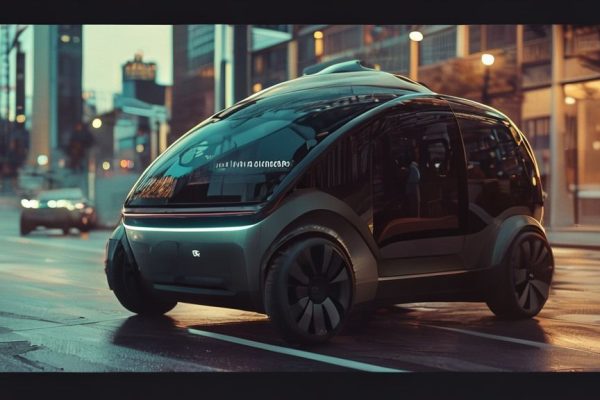
Image prompt: A futuristic illustration of a Tesla robotaxi driving down a city street, with a sleek and modern design, surrounded by people walking and cars driving in the background. The robotaxi is depicted with a clear and visible screen, displaying navigation and safety information.






Leave a Reply