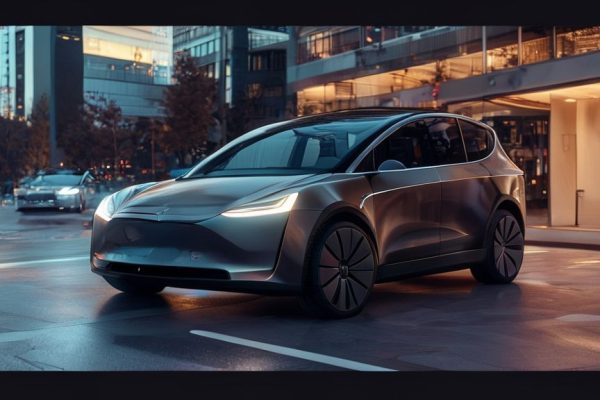
Tesla Takes a Giant Leap in Autonomous Technology
Tesla, the electric vehicle pioneer, has made a significant breakthrough in its self-driving technology, unveiling unsupervised robotaxis that will revolutionize the ride-sharing industry. The milestone was celebrated by CEO Elon Musk, but experts warn that it may be several years before the technology becomes widely available.
What This Means for the Future of Ride-Sharing
The launch of unsupervised robotaxis marks a significant shift in the way people will travel in the future. With human drivers no longer required, Tesla’s robotaxis will be able to transport passengers safely and efficiently, potentially reducing traffic congestion and emissions. However, there are several challenges that need to be addressed before this technology becomes mainstream.
One of the main concerns is the lack of regulatory frameworks to govern the use of unsupervised robotaxis. Governments and lawmakers will need to create new laws and regulations to ensure public safety and protect the rights of passengers.
Additionally, there are concerns about job displacement. With robotaxis taking the place of human drivers, many people may lose their jobs, particularly in cities where ride-sharing services are popular. While Tesla has promised to provide retraining programs for affected drivers, it remains to be seen how effective these programs will be.
The Technology Behind Tesla’s Robotaxis
Tesla’s unsupervised robotaxis are equipped with advanced sensors and cameras that allow them to navigate complex road networks safely. The vehicles use a combination of machine learning algorithms and computer vision to detect and respond to potential hazards, such as pedestrians, other cars, and road signs.
The robotaxis also have the ability to learn and adapt to new situations, allowing them to improve their performance over time. This means that the vehicles will become increasingly efficient and safe as they gain more experience on the road.
While the technology behind Tesla’s robotaxis is impressive, it’s not without its limitations. The vehicles are currently only available in certain areas, and there are concerns about their ability to handle complex weather conditions, such as heavy rain or snow.
The Future of Ride-Sharing
The launch of unsupervised robotaxis marks a significant milestone in the development of autonomous technology. While there are still several challenges to be addressed, it’s clear that the future of ride-sharing will be shaped by this technology.
As the industry continues to evolve, we can expect to see more companies investing in autonomous technology. This will not only improve the safety and efficiency of ride-sharing services but also create new opportunities for entrepreneurs and innovators.
However, there are also potential risks associated with the widespread adoption of autonomous technology. For example, there may be concerns about data security and the potential for cyber attacks. There may also be concerns about the impact on local businesses and communities.
Ultimately, the future of ride-sharing will depend on how effectively governments and companies address these challenges. By working together, we can ensure that autonomous technology is used to improve the lives of people around the world.
Key Points:
- Tesla has unveiled unsupervised robotaxis that will revolutionize the ride-sharing industry.
- The technology behind the robotaxis is impressive, but there are still several challenges to be addressed.
- Regulatory frameworks will need to be created to govern the use of unsupervised robotaxis.
- There are concerns about job displacement and the impact on local businesses and communities.
- The future of ride-sharing will depend on how effectively governments and companies address these challenges.





Leave a Reply