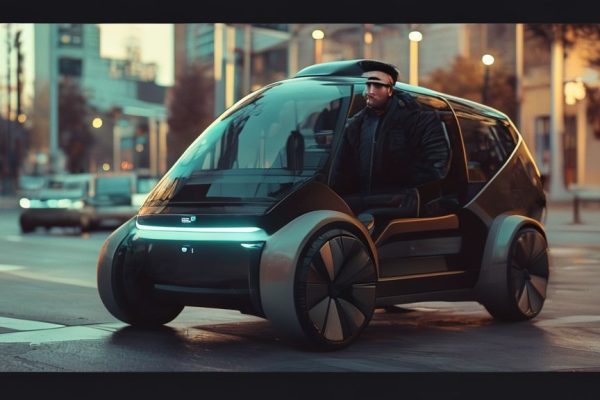
Elon Musk’s Ambitious Plan for Autonomous Robotaxis Takes a Step Forward
Elon Musk, the CEO of Tesla, has been a pioneer in the field of electric vehicles and autonomous technology. Recently, he celebrated a significant milestone in the development of his company’s unsupervised robotaxis. While this achievement is a testament to Tesla’s progress in autonomous driving, it raises several questions about the feasibility and accessibility of this technology in the immediate future.
The development of unsupervised robotaxis is a crucial step towards making autonomous transportation a reality. However, it’s essential to understand the context and implications of this technology. Autonomous vehicles have been under development for several years, with companies like Waymo and Cruise already operating self-driving taxis in certain areas. Tesla’s robotaxis, on the other hand, are designed to be more affordable and accessible to the general public.
The Challenges Ahead: Safety, Regulation, and Public Acceptance
While Musk’s achievement is significant, there are several challenges that need to be addressed before unsupervised robotaxis can become a mainstream reality. Safety is a top concern, as autonomous vehicles are only as good as the software and hardware that govern their behavior. Tesla’s robotaxis will need to undergo rigorous testing and validation to ensure that they can operate safely in various environments and scenarios.
Regulation is another critical aspect of autonomous transportation. Governments and regulatory bodies will need to create and update laws to accommodate the deployment of unsupervised robotaxis. This includes issues like liability, data privacy, and public right-of-way. Tesla will need to work closely with governments and regulatory bodies to ensure that their robotaxis comply with existing and emerging regulations.
Public acceptance is also a significant challenge. Many people are still wary of autonomous vehicles, and there are concerns about job displacement, cybersecurity risks, and the potential for accidents. Tesla will need to address these concerns through education, marketing, and community engagement.
The Future of Autonomous Transportation: Opportunities and Implications
The development of unsupervised robotaxis has significant implications for the future of transportation. With the ability to transport people without the need for human drivers, robotaxis could revolutionize the way we travel, making it more efficient, affordable, and environmentally friendly. This could also lead to increased mobility for the elderly, disabled, and those living in areas with limited public transportation.
However, the impact of unsupervised robotaxis will also extend beyond transportation. It could create new opportunities for industries like logistics, delivery, and ride-sharing. With the ability to transport goods and people autonomously, companies could reduce costs, increase efficiency, and improve customer satisfaction.
In conclusion, Elon Musk’s achievement in developing unsupervised robotaxis is a significant step forward in the development of autonomous transportation. While there are challenges ahead, the potential benefits of this technology are substantial. As Tesla and other companies continue to develop and deploy autonomous vehicles, it’s essential to address the safety, regulatory, and public acceptance challenges that lie ahead.
Key Points:
- Elon Musk has celebrated a milestone in the development of Tesla’s unsupervised robotaxis.
- The technology has significant implications for the future of transportation, making it more efficient, affordable, and environmentally friendly.
- However, there are challenges ahead, including safety, regulation, and public acceptance.
- Tesla will need to work closely with governments and regulatory bodies to ensure that their robotaxis comply with existing and emerging regulations.
- The development of unsupervised robotaxis could create new opportunities for industries like logistics, delivery, and ride-sharing.





Leave a Reply